Sequoia partner urges founders to sell services, not tools

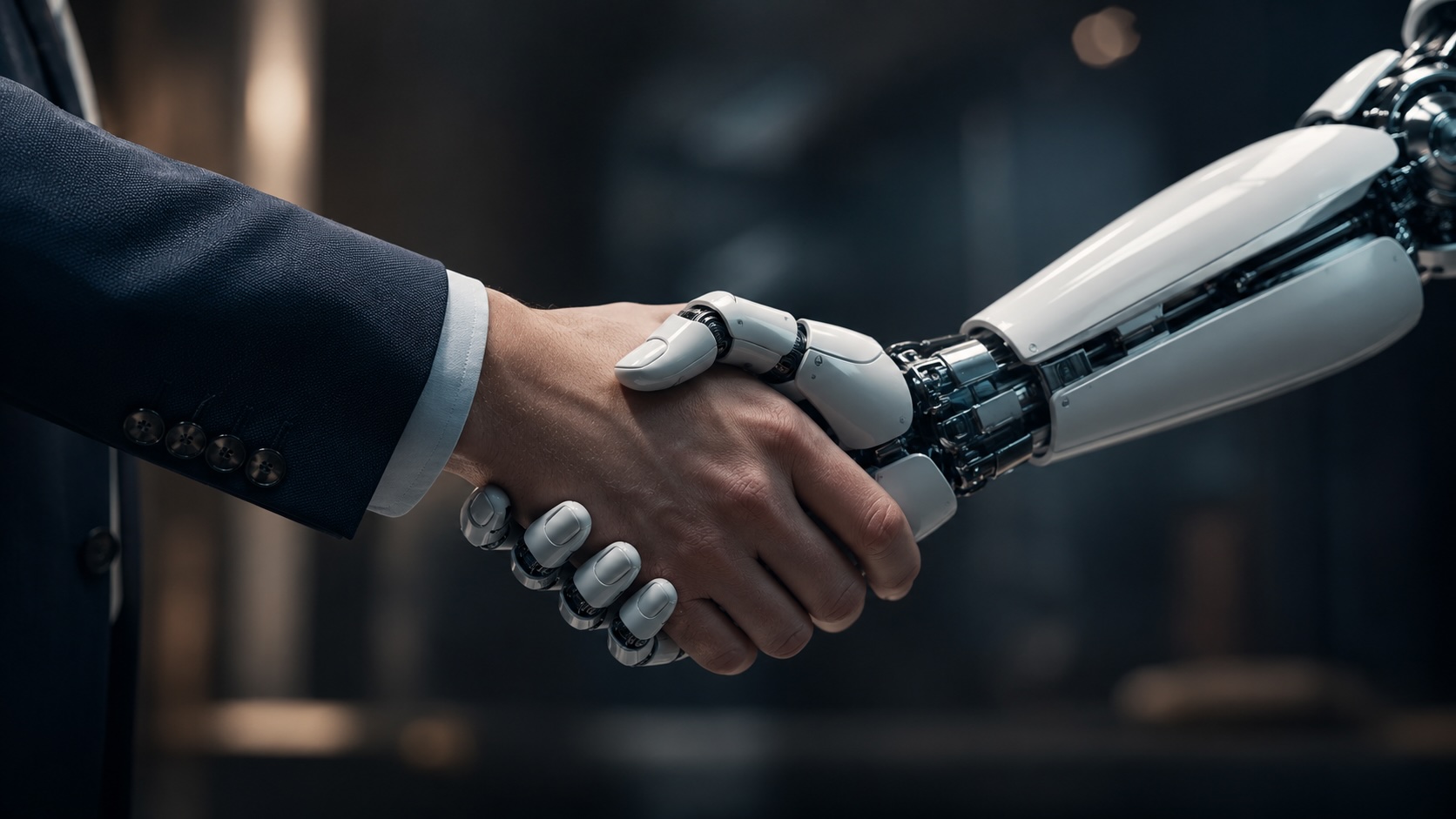
Sequoia partner Julien Bek told founders on Monday that startups selling standalone tools risk replacement by AI and should focus on services and ‘autopilots’ pairing AI with human judgment.
Julien Bek, a partner at Sequoia Capital, told founders on a Monday podcast that startups selling standalone software tools face the risk of being displaced by advanced AI models and should shift to selling services and ‘‘autopilots’’ that combine model output with human oversight.
Bek said many founders he advises are ‘‘wondering if they’re just an iteration away from the models replacing what they’re doing.’’ He warned that standalone tools are ‘‘in the line of sight for the models’’ and urged companies to focus on delivering measurable outcomes rather than only shipping software products.
In a recent social media post, Bek predicted the next trillion-dollar company will be ‘‘a software company masquerading as a services firm.’’ He pointed to his estimate that for every dollar spent on software, roughly six dollars are spent on services, a gap he said many toolmakers have not reached. Bek wrote that selling services allows startups to capture value from large investments in model development instead of competing directly with model providers.
Sequoia is compiling what Bek calls a map of ‘‘autopilots’’ — businesses that present AI-generated output with human judgment layered into workflows. He described human judgment as instincts, taste and experience, skills he expects models will take longer to absorb. Companies that design processes where humans apply judgment to AI suggestions, he said, will be better positioned to scale.
Bek cited Sierra, an enterprise customer service startup cofounded by OpenAI chairman Bret Taylor, as an example of a company moving toward an autopilot model. He also listed several early-stage firms he views as part of the trend, including Harper, Rillet, Anterior, Harvey and Juicebox.
He identified insurance brokerage, accounting and audit, and healthcare revenue cycle management as sectors ripe for companies that combine AI outputs with human oversight. Bek described a staffing change he expects in those fields: ‘‘instead of having 10 humans and one AI, you have one human and 10 AIs,’’ allowing fewer people to manage larger AI-driven operations.
Bek’s remarks came amid recent market volatility tied to rapid AI advances. Last month, improvements in Anthropic’s Claude model contributed to a sell-off in cloud and software stocks that erased more than $1 trillion in tech market value before some companies began to recover.
Bek advised founders to consider whether their product is a standalone tool at risk of replication by the next generation of models or a service that captures ongoing human value. He urged companies to design offerings that pair model performance with human expertise and to sell outcomes that customers can measure.
Sequoia is tracking startups that combine AI models with human judgment and is advising founders to assess their business model against the rise of more capable models. Bek recommended that leaders weigh the trade-off between competing with large labs and building workflows that amplify model outputs with human oversight.
Content on BlockPort is provided for informational purposes only and does not constitute financial guidance.
We strive to ensure the accuracy and relevance of the information we share, but we do not guarantee that all content is complete, error-free, or up to date. BlockPort disclaims any liability for losses, mistakes, or actions taken based on the material found on this site.
Always conduct your own research before making financial decisions and consider consulting with a licensed advisor.
For further details, please review our Terms of Use, Privacy Policy, and Disclaimer.
Tags
Articles by this author