Mobile-First Southeast Asia Drives Esports Growth in 2026
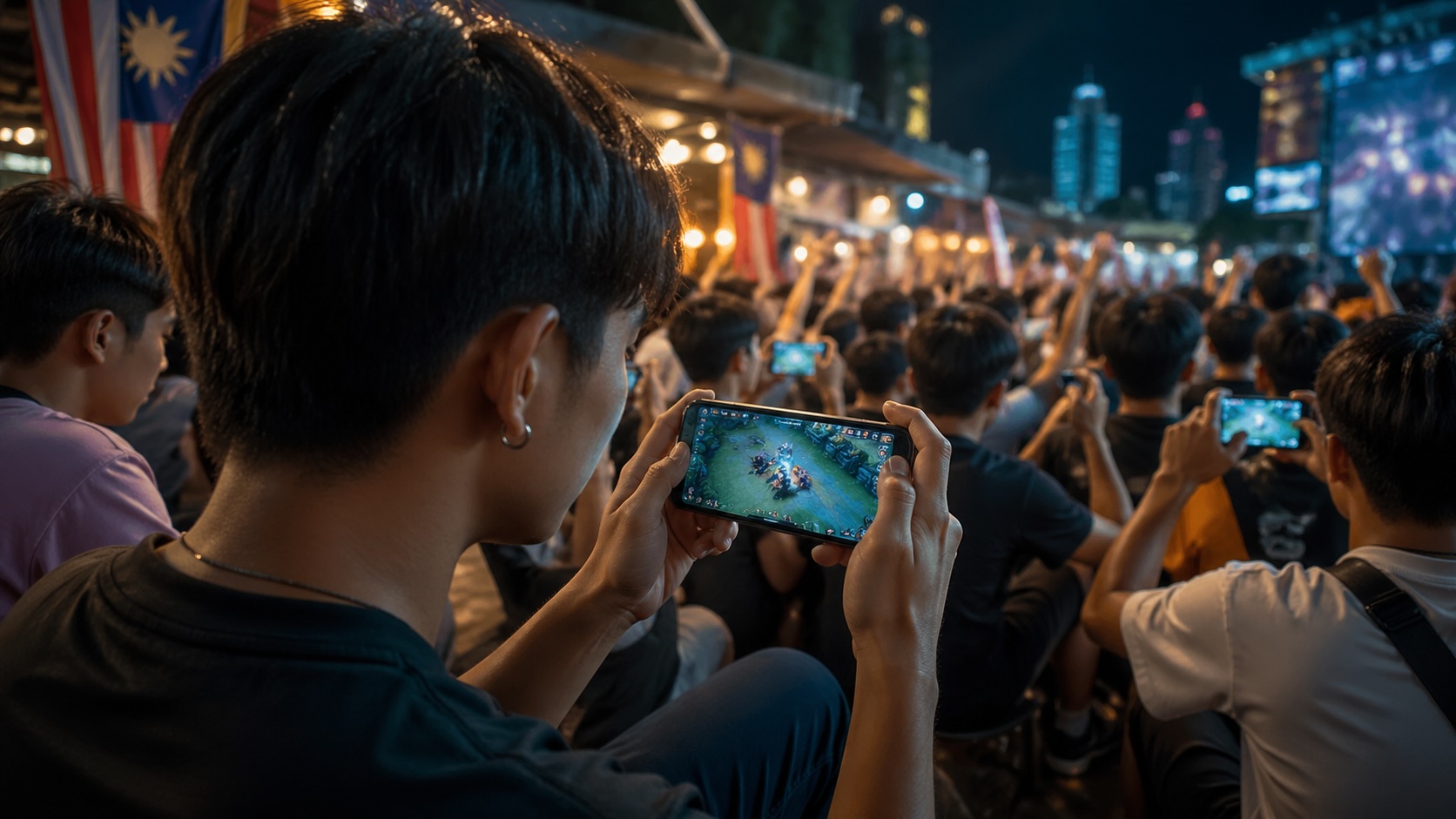
Mobile-first audiences in Southeast Asia drove 2026 esports gains: Mobile Legends M7 reached 5.68 million peak viewers and MLBB’s Mid-Season Cup logged 50.3 million hours at the 2025 Esports World Cup.
Southeast Asia’s mobile-first audience produced the largest viewership gains in global esports in 2026. Tournament organizers reported Mobile Legends: Bang Bang’s M7 World Championship reached a record 5.68 million peak concurrent viewers in January 2026. Organizers also reported that the MLBB Mid-Season Cup generated 50.3 million hours watched during the 2025 Esports World Cup, representing more than 12% of total EWC viewership across 25 titles.
Smartphones are the primary access point for playing and viewing in much of East and Southeast Asia. Lower PC penetration in several markets correlates with higher adoption of mobile titles and handheld streaming. The Philippines-versus-Indonesia final at M7 drew an audience comparable to many established PC-only events.
Platform use is shifting as viewing patterns change. TikTok Live played a major role in the M7 peak, reflecting rapid growth in mobile-centric streaming. Twitch remains the largest live esports platform by overall viewership, with YouTube Gaming in a steady secondary position. Short-form and vertical video formats are more common on mobile platforms, and drop-in viewing behavior favors brief, segmented broadcasts over extended streams.
North America showed steady growth centered on PC competition and younger viewers who favor longer sessions for established titles. Counter-Strike continues to run the most comprehensive professional calendar among PC games and recorded consistent year-on-year viewership gains. Its professional circuit increased prize money and commercial revenue, expanding financial opportunities within that property.
Revenue sources are shifting within the industry. Betting and wagering now represent a substantial share of esports revenue. Sponsorships have moved from static logo placement toward deeper brand integrations and interactive formats. Advertisers are directing spending toward content that produces measurable engagement and predictable monetization.
Broadcasters and event organizers are adjusting production to shorter, more fragmented viewing sessions. They are offering condensed highlights and vertically framed programming designed for mobile screens. Some national-level competitions are testing country-based teams with large-scale funding to measure fan response compared with club-based rivalries.
Access and security have become practical concerns for international viewers. Some fans use browser-based VPNs to reach streams that are region-locked or blocked on public networks; those tools can allow access without noticeably increasing streaming latency. Large international tournaments continue to attract significant physical attendance and digital engagement and produce measurable economic benefits for host cities.
The League of Legends World Championship remains the single most-watched event: the 2024 edition peaked at 6.86 million concurrent viewers, produced 191 million hours watched across 110 hours of broadcast and averaged about 1.7 million concurrent viewers; the 2025 edition peaked at 6.75 million. That event and other major tournaments continue to set financial benchmarks for the sector.
Content on BlockPort is provided for informational purposes only and does not constitute financial guidance.
We strive to ensure the accuracy and relevance of the information we share, but we do not guarantee that all content is complete, error-free, or up to date. BlockPort disclaims any liability for losses, mistakes, or actions taken based on the material found on this site.
Always conduct your own research before making financial decisions and consider consulting with a licensed advisor.
For further details, please review our Terms of Use, Privacy Policy, and Disclaimer.
Tags
Articles by this author