MLB taps Polymarket, strikes CFTC MOU on betting integrity

League grants Polymarket exclusive data rights and signs an information‑sharing pact with the CFTC to curb risky prop markets after last season’s pitcher bribery allegations.
Major League Baseball has named Polymarket its Exclusive Prediction Market Exchange Partner and entered an information‑sharing Memorandum of Understanding with the Commodity Futures Trading Commission to reinforce betting integrity ahead of Opening Day, following allegations last season that some pitchers accepted payments to influence pitch selection.
Under the licensing agreement announced Thursday, Polymarket receives exclusive access to MLB data and iconography. The company and the league plan to restrict prediction markets that present integrity risks, including wagers on individual pitches, manager decisions and umpire performance.
Polymarket, a crypto‑based platform where users trade on outcomes of events, posted on social media, “We’re honored to announce MLB has named Polymarket as their Exclusive Prediction Market Exchange Partner.” The firm described the partnership as focused on protecting competition while giving fans new ways to follow games.
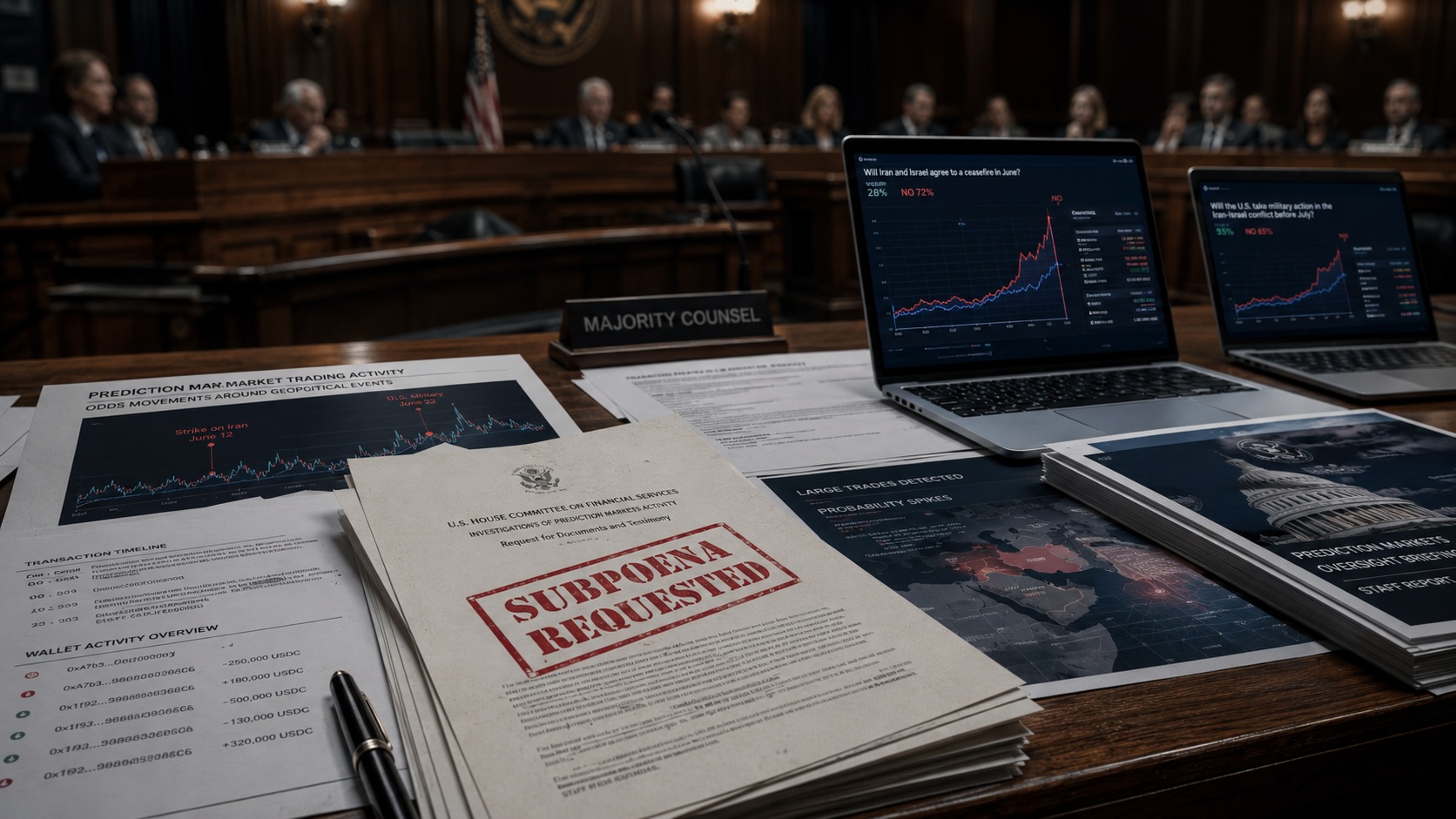
Separately on Thursday, MLB and the CFTC outlined an information‑sharing framework through the MOU to guard against abuses in baseball‑linked prediction markets. “Through this MOU, the CFTC is well-positioned to add additional tools to protect these markets and its participants from fraud, manipulation, and other abuses,” according to a statement from CFTC Chairman Michael Selig, who thanked MLB and Commissioner Rob Manfred for working with the agency.
Prop markets-wagers on discrete in‑game outcomes or officiating decisions-have expanded on prediction platforms and traditional sportsbooks. By narrowing or removing markets tied to specific pitch calls or on‑field judgments, MLB and Polymarket aim to limit opportunities for corruption or the appearance of impropriety.
Polymarket indicated that the deal builds on work with Palantir and TWG AI to develop a next‑generation sports integrity platform, alongside broader efforts to coordinate with regulators and leagues on monitoring activity and setting market rules.
The CFTC regulates event contracts under the Commodity Exchange Act and has been reviewing how prediction markets should operate while preventing fraud and market manipulation. The MOU creates a channel for MLB and the regulator to confer on trends and potential threats in baseball‑related trading.
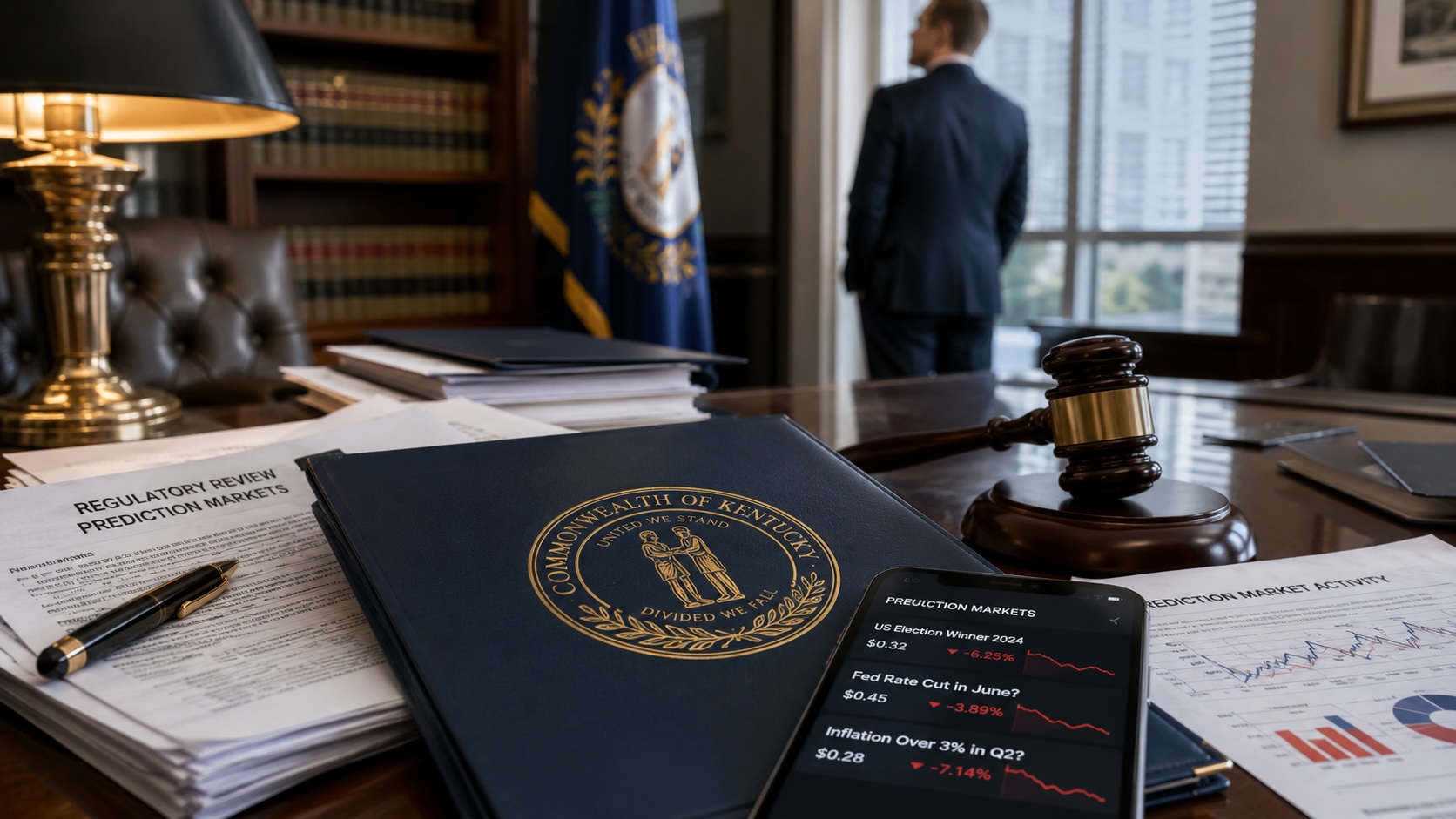
Rival prediction market Kalshi is in disputes with state authorities over the regulatory treatment of event contracts, reflecting ongoing questions about jurisdiction. Both Polymarket and Kalshi are reported to be seeking new funding at valuations near $20 billion.
Financial terms of the MLB–Polymarket license were not disclosed. The organizations plan to coordinate on data use, market design and enforcement referrals where appropriate, with an emphasis on fair play and investor protection in baseball‑related prediction markets.
As we reported earlier, Utah passed HB243 to define proposition bets as gambling, barring Kalshi, Polymarket and similar platforms from offering sports prop bets; Gov. Spencer Cox said he intends to sign it. Kalshi filed a federal suit to block enforcement, arguing CFTC exclusivity under the Commodity Exchange Act, and brought a related case against Iowa after an Ohio judge denied an injunction. The CFTC has asserted authority over prediction markets; Chairman Michael Selig warned challengers, “we will see you in court,” while calling well-functioning prediction markets “truth machines.”
Content on BlockPort is provided for informational purposes only and does not constitute financial guidance.
We strive to ensure the accuracy and relevance of the information we share, but we do not guarantee that all content is complete, error-free, or up to date. BlockPort disclaims any liability for losses, mistakes, or actions taken based on the material found on this site.
Always conduct your own research before making financial decisions and consider consulting with a licensed advisor.
For further details, please review our Terms of Use, Privacy Policy, and Disclaimer.
Tags
Articles by this author