Minnesota moves to ban sweepstakes casinos, prediction markets

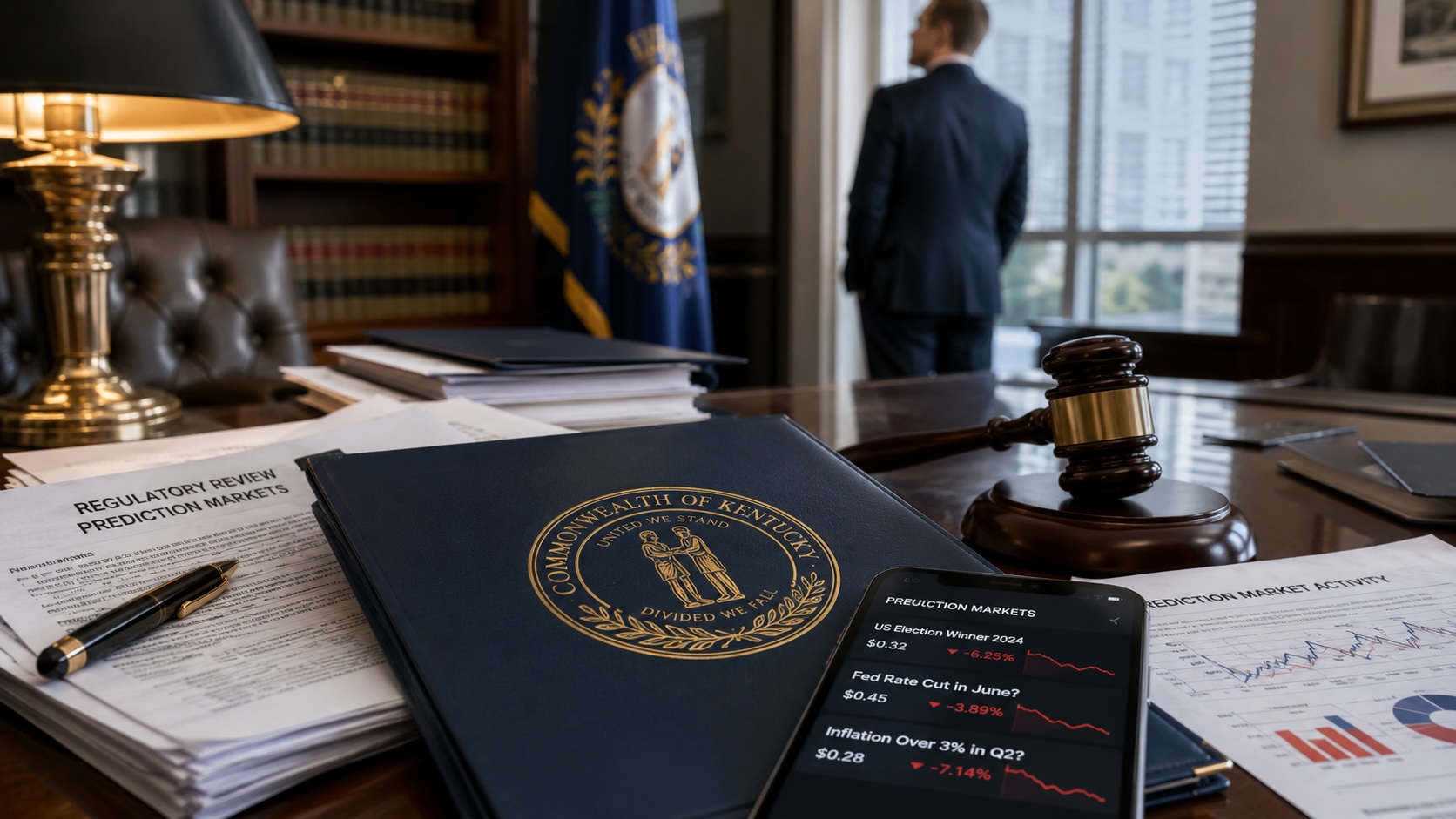
On March 24, Minnesota Senate and House panels advanced SF 4474 to ban online sweepstakes casinos and HF 4437 to prohibit certain prediction market contracts.
Minnesota lawmakers moved two gambling bills forward on March 24, clearing them in committee for further review. The Senate Commerce and Consumer Protection Committee approved SF 4474, and the House Public Safety Finance and Policy Committee advanced HF 4437. SF 4474 goes next to the Judiciary Committee, while HF 4437 was re-referred to the Commerce, Finance, and Policy Committee.
SF 4474 would prohibit anyone from operating, conducting, or promoting online sweepstakes games in the state. The measure defines an online sweepstakes game as an internet or mobile product that uses a dual currency system, allows players to exchange the currency for cash, a cash equivalent, prizes, or a chance to win them, and simulates casino-style or other gambling. The restrictions would also cover payment processors, platform and geolocation providers, and media affiliates. The bill directs regulators to apply penalties under Minnesota Statute 325F.755, the state’s consumer prize-promotion law.
During the Senate hearing, sponsor Sen. Jordan Rasmusson argued that sweepstakes casinos function as gambling despite promotional framing. “These are dual currency systems… played on casino games like slots, blackjack, and roulette. Effectively, it allows online gambling to occur in Minnesota,” he told lawmakers. He presented the bill as a clarification of what qualifies as a sweepstakes and a ban on dual-currency casino-style games. Supporters, including tribal and charitable gaming representatives, contended the platforms avoid licensing, taxes, and consumer protections required of regulated operators. Industry witnesses opposed the bill. ARB Interactive CEO Patrick Fechtmeyer warned it would not stop the activity: “If this bill is passed, it will not eliminate this activity… [it will] push Minnesotans to… offshore operators who hide behind shell companies.” Lexi Morgan of the Social Gaming Leadership Alliance raised concern that the language could reach legitimate promotional sweepstakes.
HF 4437 would prohibit specific prediction market contracts tied to real-world events. The bill lists sports outcomes and in-game events; casino-style contests and gaming promotions; events involving specific individuals or groups; political outcomes including elections; catastrophic events such as wars or natural disasters; and death or mass casualty events. The prohibitions would extend to payment processors and financial institutions, and the measure would limit advertising, including restrictions near schools or when aimed at younger audiences.
Presenting the House bill, sponsor Rep. Emma Greenman described a rapid expansion in prediction markets without state oversight. “What this has amounted to [is] the explosion of gambling in the last year without the guardrails and the safeguards that states… have been putting around gambling for years,” she stated. Greenman explained that platforms facilitate trades between users and charge a fee for matching opposite sides of a wager. She characterized services such as Polymarket as operating like an unregulated sportsbook where users can bet on a wide range of outcomes, and pointed to the absence of consumer protections including age checks, anti-money laundering controls, and responsible gambling tools. Lawmakers noted integrity risks such as potential insider trading on real events and questioned whether markets could influence outcomes if participants have the power to affect them. Members also discussed ethical concerns about betting on wars, disasters, and violent incidents, and asked how enforcement would work, including in relation to tribal gaming.
Both committees voted to advance the measures for additional review and possible amendments in their next stops.
Content on BlockPort is provided for informational purposes only and does not constitute financial guidance.
We strive to ensure the accuracy and relevance of the information we share, but we do not guarantee that all content is complete, error-free, or up to date. BlockPort disclaims any liability for losses, mistakes, or actions taken based on the material found on this site.
Always conduct your own research before making financial decisions and consider consulting with a licensed advisor.
For further details, please review our Terms of Use, Privacy Policy, and Disclaimer.
Tags
Articles by this author