Kentucky overrides veto; Virginia splits on gaming
Kentucky lawmakers overrode Gov. Beshear’s veto of HB 904, raising the betting age to 21 and regulating daily fantasy sports. Virginia vetoed skill-game and Fairfax casino bills and approved DFS rules.
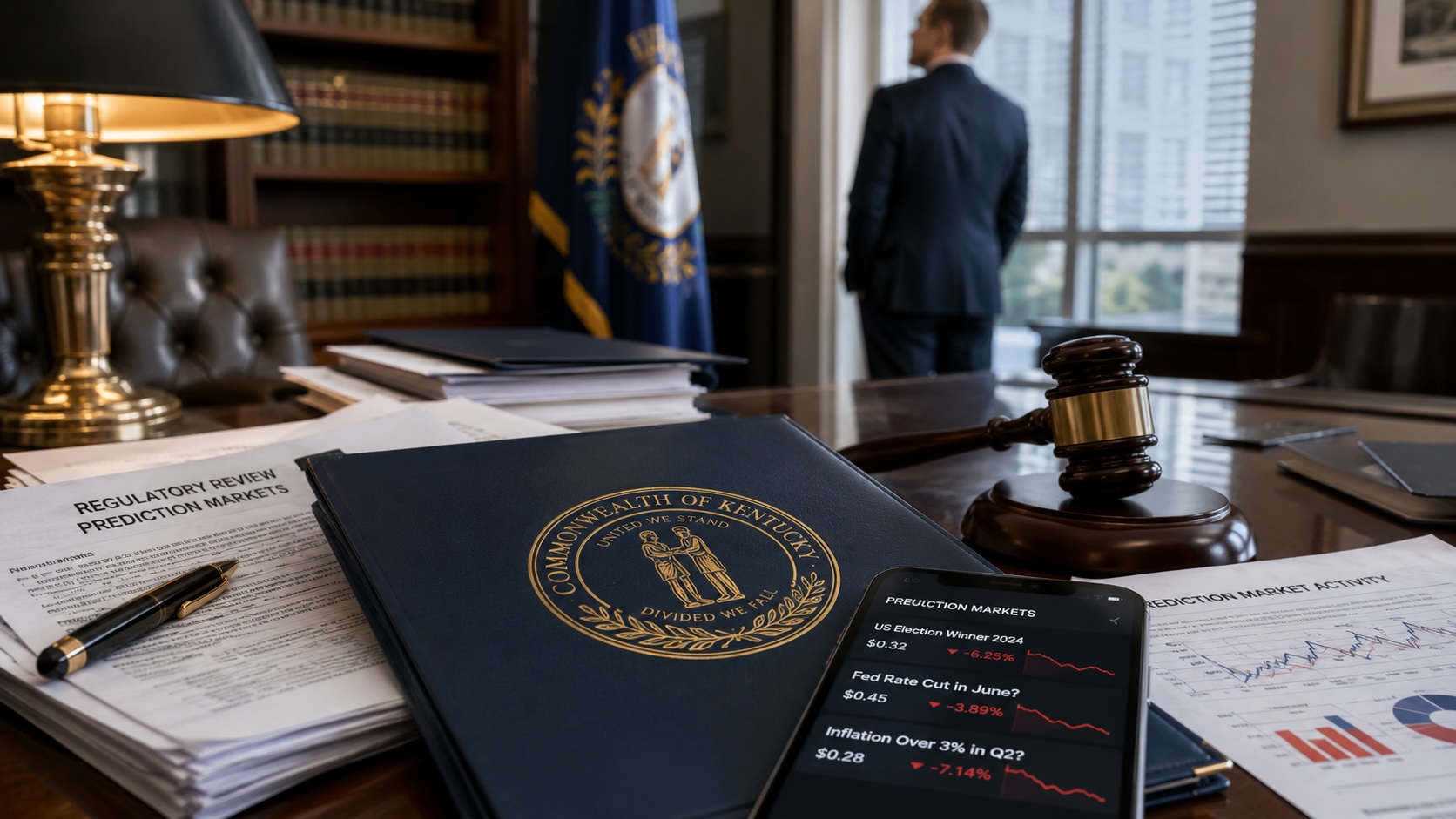
Kentucky lawmakers on Tuesday overrode Gov. Andy Beshear’s veto of HB 904 just before the state legislature adjourned its 2026 session. The law raises the minimum legal betting age from 18 to 21, directs regulators to create rules for daily fantasy sports (DFS) and bars licensed state gambling operators from partnering with prediction market platforms.
Beshear had vetoed the bill on Monday. Kentucky had been among the few states that allowed legal betting at 18; the new law changes the state’s statutory age to align with the majority of U.S. jurisdictions. The legislation also instructs state regulators to establish licensing, consumer protections and operational rules for DFS providers and includes a specific prohibition on licensees engaging in arrangements with prediction markets.
In Virginia, Gov. Abigail Spanberger took a mixed approach this week. She vetoed bills that would have legalized skill games and that would have allowed a casino referendum in Fairfax County, citing lack of local support in Fairfax and the absence of a centralized state gaming regulator. At the same time, Spanberger signed legislation that brings DFS under state oversight, assigning licensing and consumer-protection authority to state agencies.
Across other states, lawmakers moved on a range of measures aimed at sweepstakes-style gaming and prediction markets. In Louisiana, the House passed HB 883 targeting dual-currency sweepstakes casinos; the bill now moves to the Senate. A separate Louisiana measure, HB 53, would use racketeering statutes to target illegal gambling operations and has advanced through a Senate committee. Governor Jeff Landry vetoed a sweepstakes ban in 2025 and argued then that existing enforcement tools were sufficient.
Tennessee advanced HB 1885, a proposal to ban online sweepstakes games that use virtual currency; the bill cleared committees and is scheduled for a House floor vote before the legislature adjourns on April 24. Tennessee lawmakers also advanced HB 2079, which would make participation in prediction markets a felony; that bill cleared committee and was placed on the House calendar.
Oklahoma’s SB 1589, which amends state gambling law to explicitly include online casino-style offerings and dual-currency platforms, moved forward in the House after passing the Senate. Minnesota’s SF 4474, another prohibition on dual-currency sweepstakes, has cleared three Senate committees and approaches a floor vote.
Some measures stalled. In Maryland, HB 295 and HB 1226, both aimed at sweepstakes-style casinos, passed the House but failed to advance in the Senate before the session ended on April 13. In Iowa, SF 2470, which would have targeted prediction markets, passed the Senate 45-1 but was tabled by a House committee; the Iowa session ends April 21, limiting time for further action.
Lawmakers advancing bans and enforcement measures have cited consumer protection and the challenge of regulating games that use virtual tokens or dual-currency systems, where customers spend credits or tokens separate from U.S. currency. Bills targeting prediction markets raise questions about whether federal authorities or state regulators hold primary oversight, and proposals range from criminal penalties for participation to limits on operator partnerships with licensed gambling entities.
This week’s activity produced a mix of vetoes, an override, and advancing bills across several states covering DFS, sweepstakes-style games and prediction markets.
Content on BlockPort is provided for informational purposes only and does not constitute financial guidance.
We strive to ensure the accuracy and relevance of the information we share, but we do not guarantee that all content is complete, error-free, or up to date. BlockPort disclaims any liability for losses, mistakes, or actions taken based on the material found on this site.
Always conduct your own research before making financial decisions and consider consulting with a licensed advisor.
For further details, please review our Terms of Use, Privacy Policy, and Disclaimer.
Articles by this author