Kalshi Sued by States and Tribes Over Sports Betting

States and Native American tribes sue Kalshi, alleging its prediction market runs unlicensed sports betting. Sports wagers about 85% of activity; March Madness fees hit $25 million.
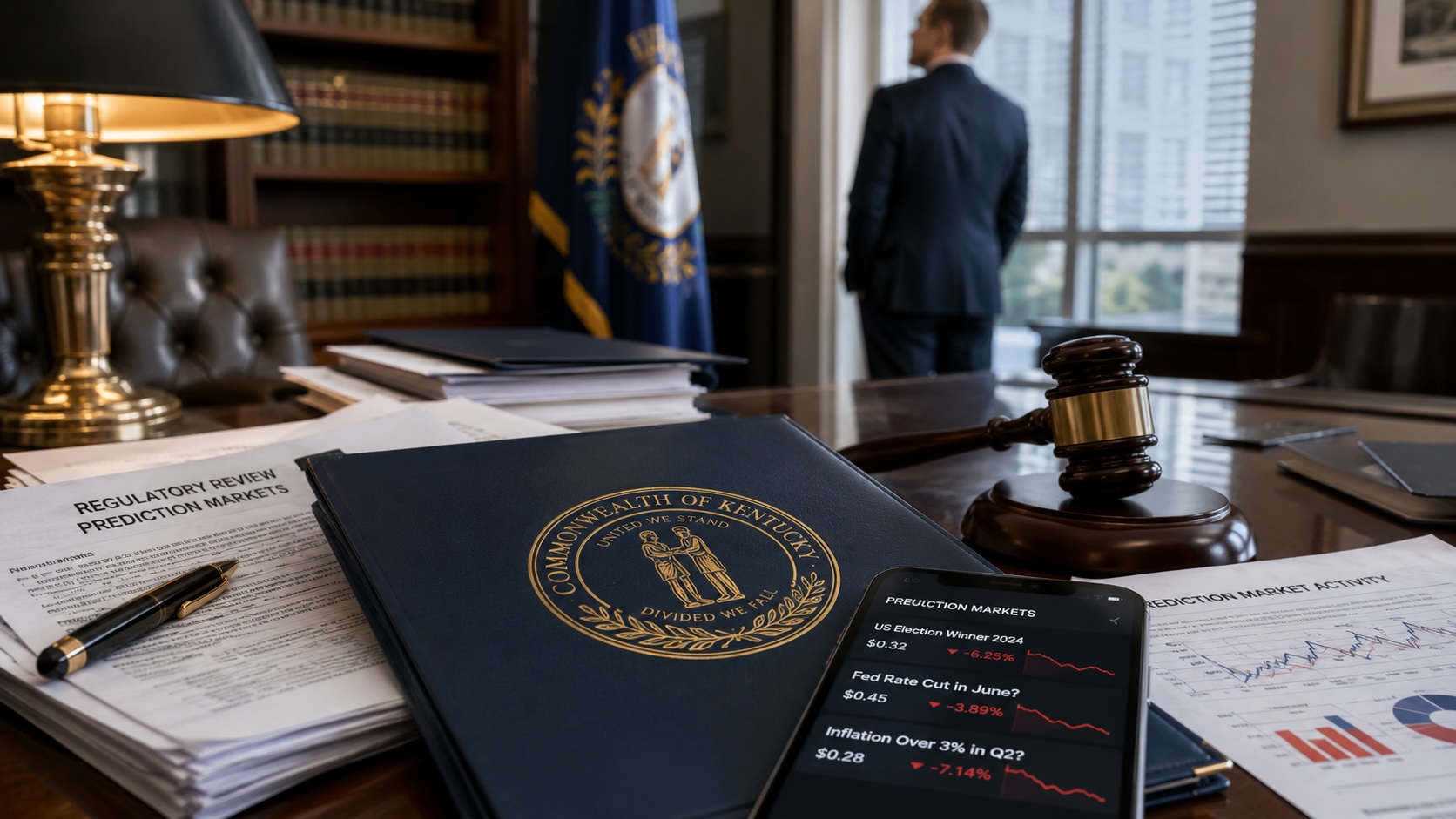
Kalshi is facing lawsuits filed by multiple states and Native American tribes that allege the prediction market operates unlicensed sports betting. Plaintiffs point to internal and public figures showing sports wagers make up roughly 85% of activity on the platform, and that Kalshi collected about $25 million in fees from March Madness bets over a four-day period.
The lawsuits argue Kalshi’s sports contracts meet state definitions of illegal gambling and require state licensing and oversight. Kalshi and some courts describe the contracts as “event contracts,” a form of swap that the company says is governed by federal financial law and therefore not subject to state gaming rules.
Courts are divided. At least three state courts have ruled that Kalshi’s sports offerings violate state gambling laws. Other courts have concluded the contracts are covered by federal statutes and are not subject to state regulation. Legal observers say the split among decisions increases the chance the dispute will reach the U.S. Supreme Court.
U.S. Circuit Judge Jane Roth, in a dissent, wrote: “Basic abductive reasoning tells us that if it looks like gambling, talks like gambling, and calls itself gambling, it’s gambling.” Judges in the circuit majority rejected that approach, writing that federal securities and commodities statutes could pre-empt state gaming rules for event contracts.
The case intersects recent precedent. The Supreme Court’s 2018 decision in Murphy v. NCAA affirmed states’ authority to authorize sports betting. The 2024 Loper Bright ruling limited courts’ obligation to defer to federal agencies’ interpretations of law. Both precedents form part of the legal framework courts will consider when deciding whether federal swap rules displace state gambling laws.
Prediction markets let users trade contracts tied to real-world outcomes beyond sports, including consumer-price-index readings, Federal Reserve rate decisions and election results. Traders have used such contracts to manage exposure to inflation and interest-rate moves by taking positions tied to CPI releases or policy actions.
A Supreme Court ruling for federal pre-emption would place federal swap law above state gambling rules for event contracts. A ruling in favor of the states and tribes would leave regulation and licensing to individual states and tribal authorities, with variable rules across jurisdictions. Legal experts describe the outcome as difficult to predict because the case involves state regulatory authority, federal financial statutes and recent shifts in judicial deference.
Kalshi continues to operate while the litigation proceeds. The company does not offer a contract on its platform that allows wagers on its own Supreme Court outcome.
Content on BlockPort is provided for informational purposes only and does not constitute financial guidance.
We strive to ensure the accuracy and relevance of the information we share, but we do not guarantee that all content is complete, error-free, or up to date. BlockPort disclaims any liability for losses, mistakes, or actions taken based on the material found on this site.
Always conduct your own research before making financial decisions and consider consulting with a licensed advisor.
For further details, please review our Terms of Use, Privacy Policy, and Disclaimer.
Tags
Articles by this author