Kalshi Accuses Polymarket of Up to 70% Wash Trading

Kalshi executives claim up to 70% of trading in some Polymarket top markets is wash trading, disputing March volume comparisons and asserting $13B versus Polymarket’s $10B.
Kalshi executives assert the firm processed about $13 billion in March and accuse rival Polymarket of heavy wash trading, claiming as much as 70% of activity in some top markets is not genuine. Polymarket reported roughly $10 billion for March, figures that have been publicly disputed.
John Wang, Kalshi’s head of crypto, wrote that the two platforms are structurally different and that comparisons should separate U.S. sports volume and war-related contracts, categories Kalshi does not offer. He added that wash trading could account for “as much as 70% of activity” in some Polymarket markets. A commentator affiliated with Kalshi called some public figures “not even sort of accurate” and cited a public dashboard that showed Polymarket at about $9.5 billion for March.
Venture investor Spencer Bogart posted a breakdown that removed sports bets, putting Polymarket at $7.5 billion in non-sports March volume and Kalshi at $1.6 billion. Kalshi reported roughly $37.5 billion in year-to-date notional volume as of April 2026; Polymarket reported about $29.2 billion for the same period.
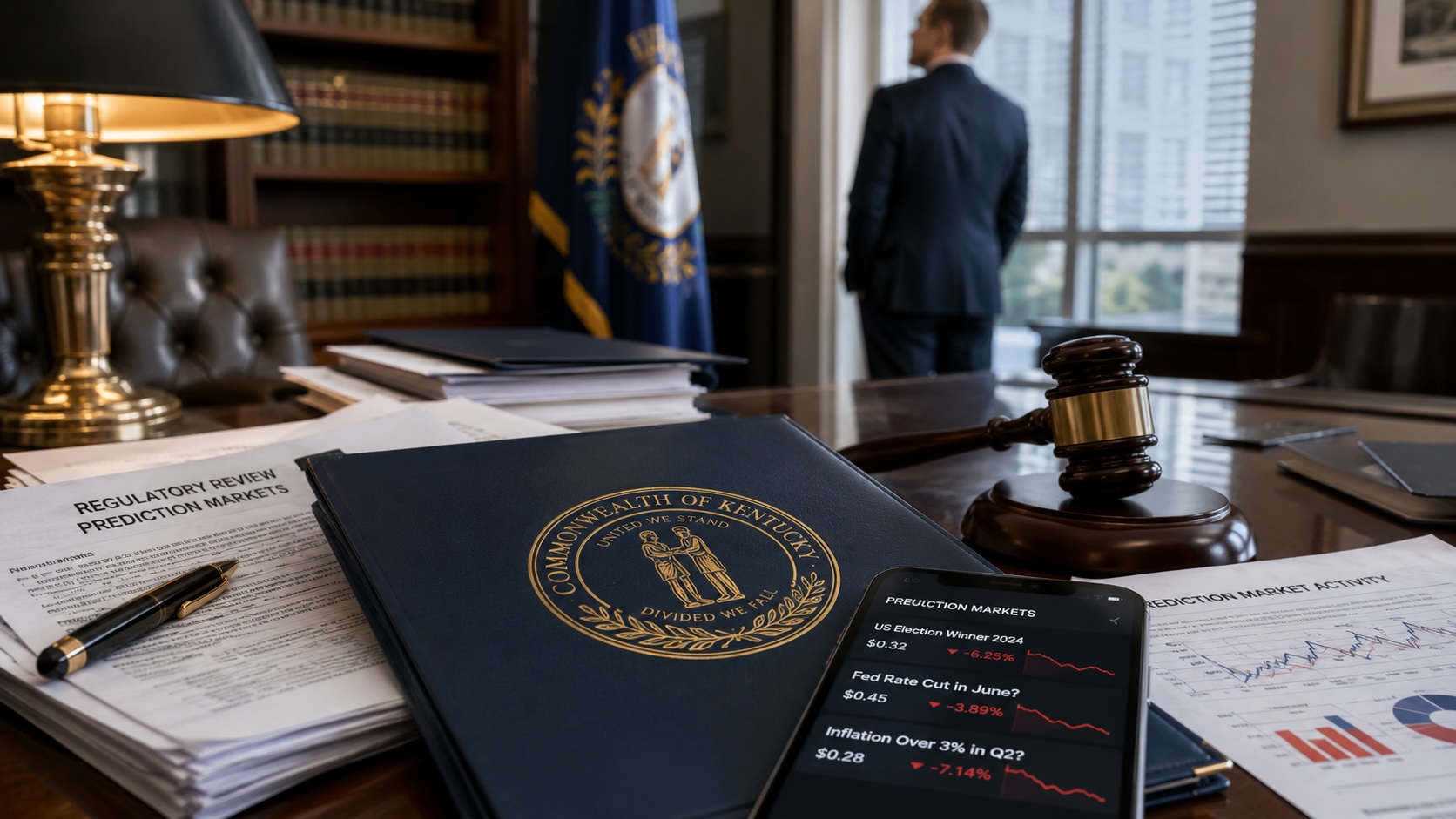
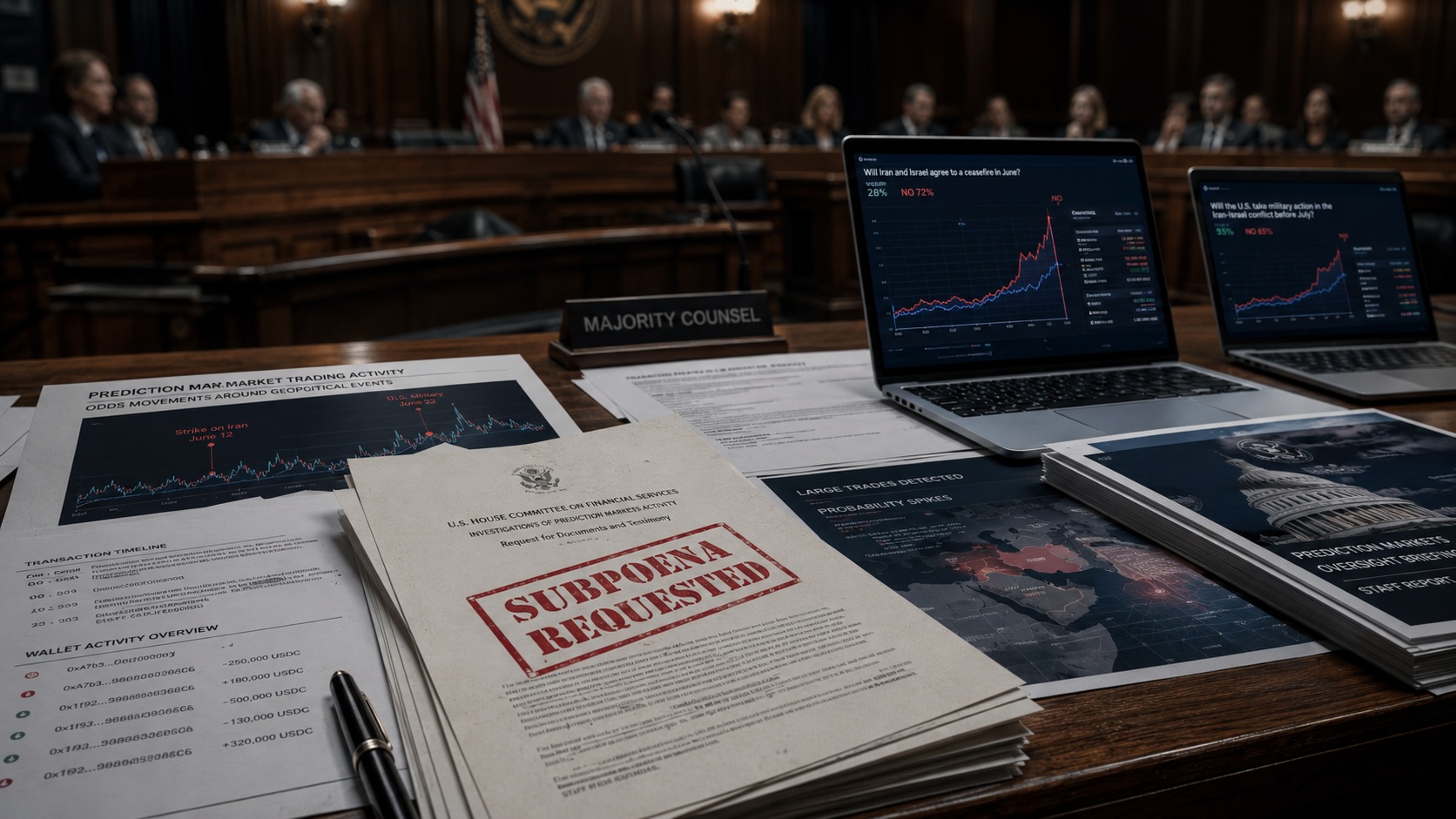
The dispute over volumes comes as prediction markets face legal and regulatory scrutiny. U.S. prosecutors charged Gannon Ken Van Dyke with allegedly using classified intelligence to place bets on Polymarket tied to the capture of Nicolás Maduro, trades prosecutors say produced more than $400,000 in profits. Kalshi disclosed it fined and suspended three congressional candidates for betting on their own elections.
Regulators outside the United States have also acted. Brazil’s central bank moved to block prediction markets, citing investor protection and market integrity and applying restrictions to contracts tied to politics, sports and social outcomes. In the United States, former President Donald Trump said he was “not happy” with prediction markets and described them as “somewhat of a casino.” A complaint filed in Wisconsin alleges that some firms’ marketing resembles gambling services rather than regulated financial products.
The Commodity Futures Trading Commission on March 12, 2026 opened a formal process to develop a framework for event contracts and sought public input on whether those contracts should be classified as swaps or futures, language the agency framed as asserting its jurisdiction over event trading.
Both Kalshi and Polymarket continue to add markets. Kalshi reported that its crypto-related markets grew nearly tenfold in recent months, while Polymarket remains active in global on-chain event trading. The public dispute over volumes and accusations of wash trading comes as regulators and courts review how existing financial rules apply to event contracts.
Content on BlockPort is provided for informational purposes only and does not constitute financial guidance.
We strive to ensure the accuracy and relevance of the information we share, but we do not guarantee that all content is complete, error-free, or up to date. BlockPort disclaims any liability for losses, mistakes, or actions taken based on the material found on this site.
Always conduct your own research before making financial decisions and consider consulting with a licensed advisor.
For further details, please review our Terms of Use, Privacy Policy, and Disclaimer.
Tags
Articles by this author