Florida leaves illegal gambling enforcement unchanged
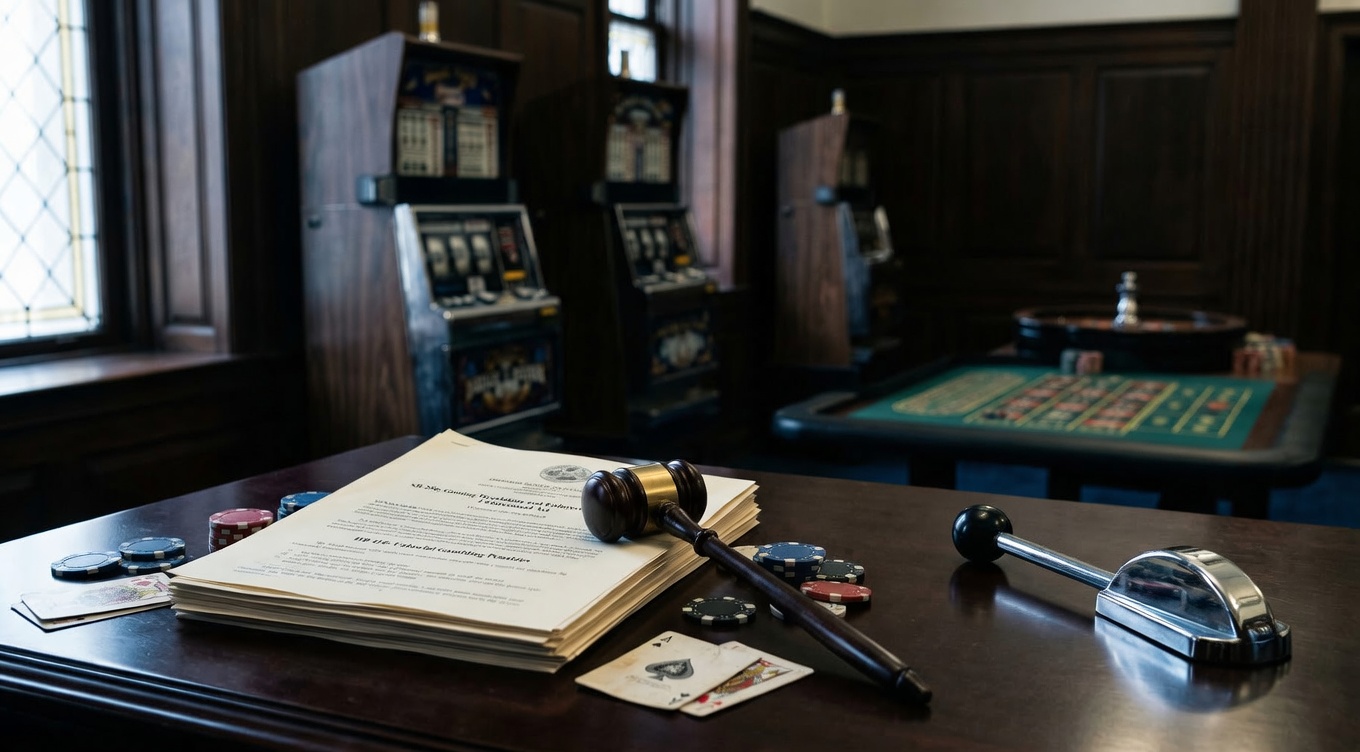
Florida’s session ended March 13 with no illegal gambling bill. SB 1580 died after House changes, leaving enforcement unchanged despite several measures advancing.
Florida lawmakers ended their regular session on March 13 without passing any bill to tighten illegal gambling enforcement. SB 1580, the closest vehicle, died after the House amended and passed it late in the final week.
Both chambers advanced measures aimed at unlicensed gaming machines, internet gambling and sweepstakes-style platforms. The Senate and House each approved versions of SB 1580 in early March, but the chambers did not agree on final language before adjournment in Tallahassee.
SB 1580 cleared the Senate unanimously at the start of March. The House amended and passed the bill on March 11, leaving two days for the Senate to concur. The Senate did not take up the amended version, and the bill died without final passage.
The proposal would have created new criminal offenses for people who knowingly or recklessly benefit from or participate in illegal gambling, extended liability to government employees who certify, license, approve, aid, facilitate or conceal such activity, and increased penalties for operating or promoting gambling houses. It proposed limits on internet gambling and a Limited Slot Machine Surrender Program that offered immunity from prosecution to operators who turned in machines. House changes added a relocation option allowing licensed gambling operations to move up to 1,320 feet while keeping their licenses. Some House members raised concerns about effects on veteran organizations.
HB 189 was the most extensive House bill. Spanning more than 100 pages, it would have explicitly banned internet gambling and internet sports wagering outside activities allowed under the Seminole Tribe’s compact, raised penalties tied to gambling houses, and created offenses for illegal gambling advertising. It sought to expand the Florida Gaming Control Commission’s enforcement authority and require regulatory approval before certain machines could be installed. It also addressed conduct such as transporting individuals for gambling, misrepresenting machine legality and repeat-offender enhancements. The bill reached the House floor, and sponsors later folded pieces into SB 1580, but neither measure passed.
Other proposals made little headway. SB 1164 and HB 591 mirrored parts of HB 189 by criminalizing internet gambling and sports wagering, increasing penalties for gambling-related offenses, and targeting the manufacture, possession and trafficking of slot machines. HB 591 included a definition of illegal gambling, limits on certain advertising and state preemption over local ordinances. Both stalled in initial committees. SB 204 focused on procedural clarity by requiring organizations to obtain a declaratory ruling from the Florida Gaming Control Commission before installing machines of uncertain legality. It advanced through two Senate committees and then stopped.
Illegal gambling arcades remain at the center of the debate. Many present themselves as amusement or skill-based parlors and operate in gaps in state law. The Florida Gaming Control Commission reported seizing $14,474,336 and 6,725 illegal slot machines in 2025, more than double the roughly $7 million seized in 2024. The commission and the Attorney General’s office have urged lawmakers to update statutes, citing consumer risks, untaxed revenue and effects on the regulated market.
None of the failed bills directly targeted sweepstakes casinos, though provisions addressing internet-based gambling, prize systems and dual-currency-like models could have applied to them. Indiana became the first state in 2026, and the seventh within the past year, to enact a ban on sweepstakes casinos. The Attorney General’s office has sent subpoenas to sweepstakes operators and is seeking discussions on how the platforms function, how funds move through their systems and whether they comply with Florida law. There have been no public updates on those contacts.
With adjournment, Florida’s current enforcement framework remains in place until lawmakers return.
Content on BlockPort is provided for informational purposes only and does not constitute financial guidance.
We strive to ensure the accuracy and relevance of the information we share, but we do not guarantee that all content is complete, error-free, or up to date. BlockPort disclaims any liability for losses, mistakes, or actions taken based on the material found on this site.
Always conduct your own research before making financial decisions and consider consulting with a licensed advisor.
For further details, please review our Terms of Use, Privacy Policy, and Disclaimer.
Tags
Articles by this author