DeepSeek adds image and video mode; V4 runs on four chips
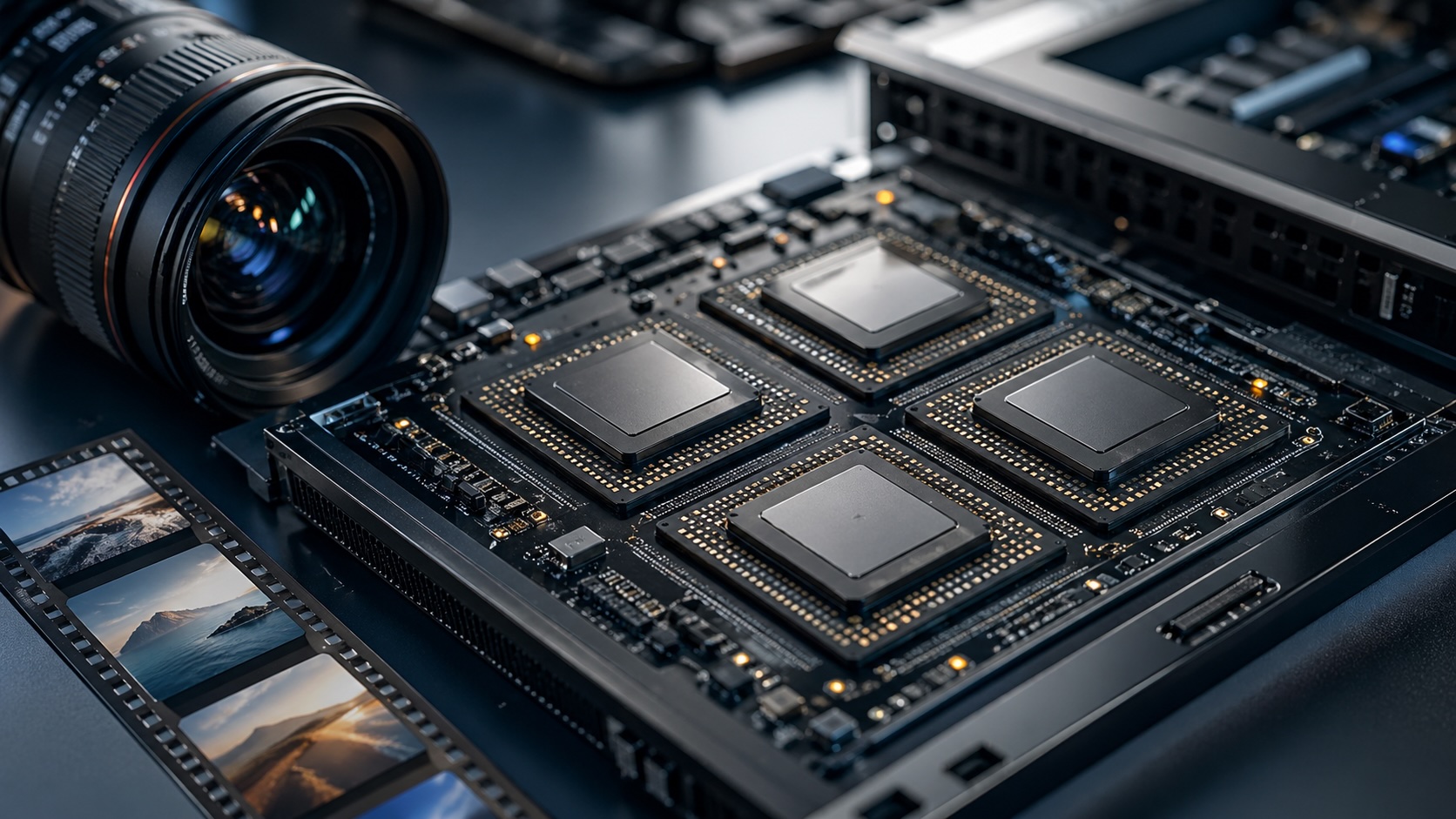
DeepSeek added image and video recognition to its chatbot as Huawei Ascend, Cambricon, Hygon and Moore Threads reported DeepSeek-V4 ran on their chips on day one.
DeepSeek introduced an image recognition mode to its chatbot, allowing the system to process photos and videos as well as text. The feature was rolled out on the company’s website and mobile app and tested with a small group of users, according to the company’s multimodal team lead Chen Xiaokang. Four Chinese chipmakers confirmed their hardware ran DeepSeek-V4 on the model’s first day of release.
The visual mode joins two other operating modes DeepSeek released earlier this month, labeled “expert” and “flash.” A preview of the new flagship models, DeepSeek-V4-Pro and DeepSeek-V4-Flash, appeared ahead of the visual feature, and DeepSeek also made the model weights available for public download. Senior researcher Chen Deli marked the release with a social post: “The little whale can now see.”
DeepSeek-V4 is offered in two variants. V4-Pro contains about 1.6 trillion parameters and is built for complex reasoning and multi-step automated workflows. V4-Flash is configured to handle a high volume of requests at lower cost. Both versions support a context window of one million tokens and use a hybrid attention architecture that DeepSeek described as reducing compute and memory requirements during inference.
On the day V4 was published, four domestic chipmakers reported immediate compatibility. Huawei said its Ascend family, including the A2, A3 and 950 chips, supports both V4-Pro and V4-Flash and described the Ascend 950 as using fused computing processes and parallel processing streams to speed inference. Cambricon completed its adaptation using the open-source vLLM inference framework and posted its integration code on GitHub. Hygon reported model optimizations on its DCU platform to enable deployment. Moore Threads ran V4 on its MTT S5000 accelerator with the FlagOS software stack in collaboration with the Beijing Academy of Artificial Intelligence.
DeepSeek published the model weights publicly and has said lowering operating costs is a priority for its models. Company materials note that native support for multiple domestic processors offers options for organizations that want to deploy large AI models on local hardware.
Company statements and technical notes indicate the simultaneous model release and broad hardware compatibility allowed organizations using non-Nvidia accelerators to begin testing V4 without a separate porting period. The visual mode is available to users who have access to the updated models on DeepSeek’s web and mobile platforms.
Content on BlockPort is provided for informational purposes only and does not constitute financial guidance.
We strive to ensure the accuracy and relevance of the information we share, but we do not guarantee that all content is complete, error-free, or up to date. BlockPort disclaims any liability for losses, mistakes, or actions taken based on the material found on this site.
Always conduct your own research before making financial decisions and consider consulting with a licensed advisor.
For further details, please review our Terms of Use, Privacy Policy, and Disclaimer.
Tags
Articles by this author