CS2 Case Openings Became a $1B Spectator Event
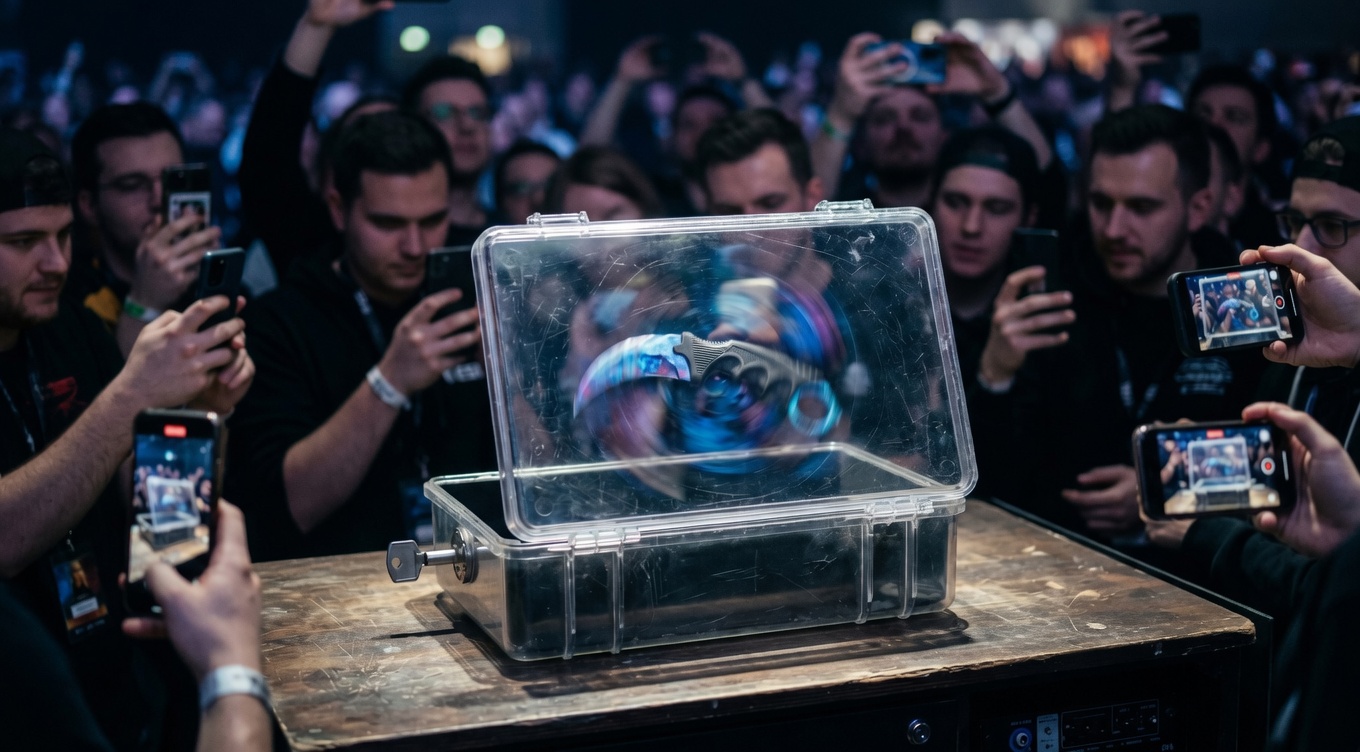
CS2 case openings generated nearly $1 billion in case-key sales in 2023, became a streamed spectator event and raised concerns about gambling-style mechanics.
Valve reported nearly $1 billion in revenue from case-key sales for Counter-Strike 2 in 2023. Players buy a key, open a case, watch a short roll animation and receive a randomized in-game item. The mechanic’s simplicity made individual pulls easy to stream and clip for short-form video.
Streamers and viral clips turned case openings into live spectacle. The format requires little explanation for viewers: an item either drops or it does not. That clarity and speed produced frequent viewing spikes on streamer channels and widespread sharing of individual pulls.
Behavioral features in the design are cited by researchers and clinicians. Case openings use a variable-ratio reward schedule, where rewards arrive unpredictably. A study in Nature Human Behaviour linked that kind of reinforcement to rapid acquisition of repeated behavior. Players can experience near-miss sensations when animations suggest a rare item nearly appeared, time compression because the open-and-reveal cycle is fast, and sunk-cost thinking after multiple purchases. Social proof from highlighted stream wins affects perceptions of how often rare drops occur.
The in-game mechanic is often separate from formal gambling rules, but the same virtual items can carry real-world value through skin markets. Third-party platforms that host case openings frequently offer casino-style games, match betting and other wagering options in the same ecosystem. That overlap creates multiple pathways from watching or opening cases to engaging in paid wagering.
Academic work has found links between spending on loot-box-style mechanics and problem gambling severity. A 2018 PLOS One paper by researchers reported consistent associations between loot box spending and gambling-related problems while noting an unresolved question about whether the mechanics drive gambling or attract people already vulnerable to gambling.
Consumer groups and researchers recommend actions for individual users. Common guidance includes setting a spending limit before a session, keeping money for case openings separate from any wagering funds, treating rare drops as random events rather than signs of a streak and remembering that streamer highlight reels show outliers rather than typical results.
Policy discussions and consumer-protection debates are ongoing over how to treat randomized in-game mechanics that connect to marketplaces with real-money value. Regulators, platform operators and community groups continue to examine rules and safeguards for products that sit at the intersection of entertainment and wagering.
Content on BlockPort is provided for informational purposes only and does not constitute financial guidance.
We strive to ensure the accuracy and relevance of the information we share, but we do not guarantee that all content is complete, error-free, or up to date. BlockPort disclaims any liability for losses, mistakes, or actions taken based on the material found on this site.
Always conduct your own research before making financial decisions and consider consulting with a licensed advisor.
For further details, please review our Terms of Use, Privacy Policy, and Disclaimer.
Tags
Articles by this author