CFTC, DOJ sue Wisconsin over prediction markets

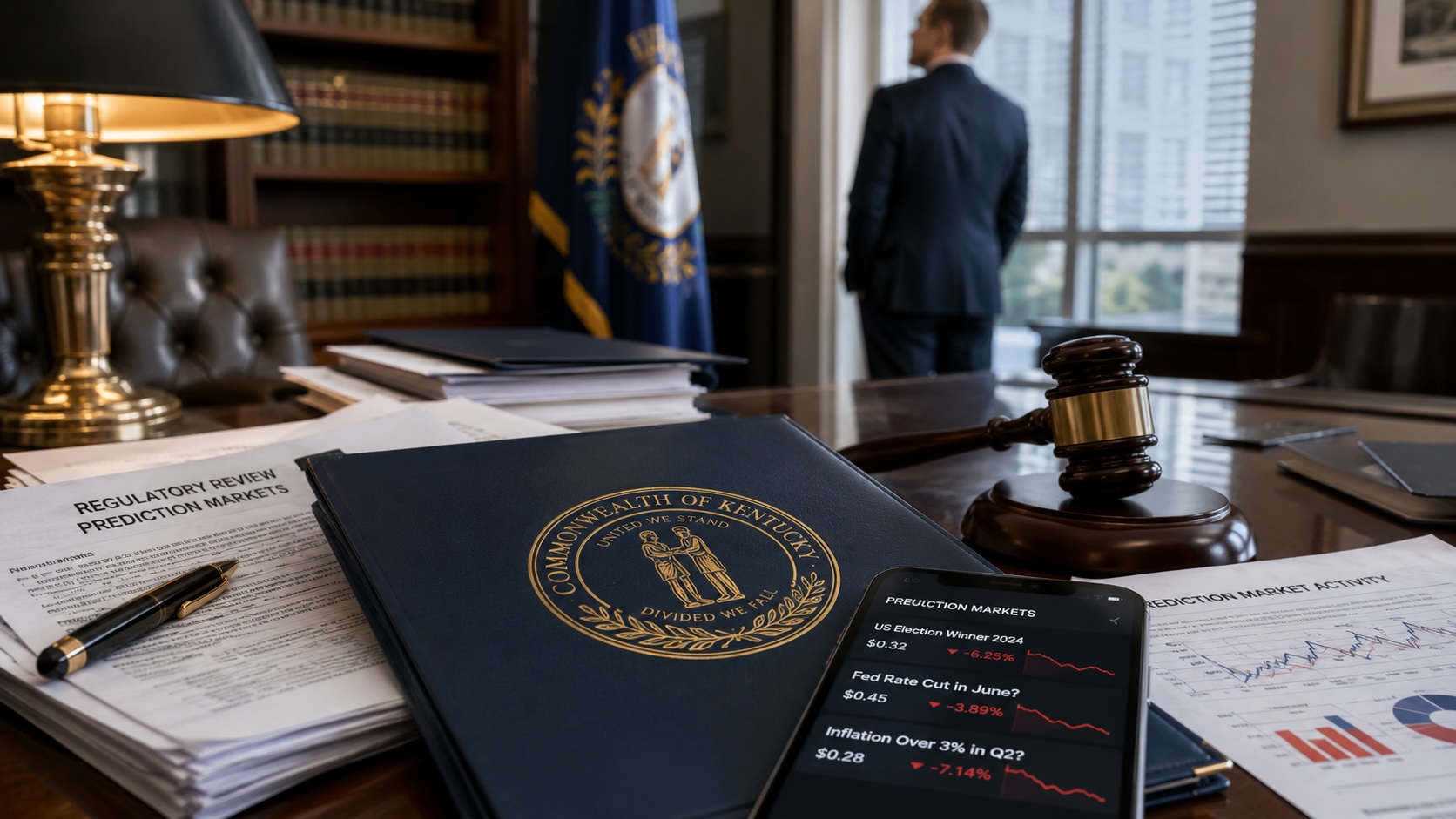
The CFTC and Justice Department sued Wisconsin in federal court, saying the state overstepped by suing Kalshi, Polymarket, Crypto.com, Robinhood and Coinbase.
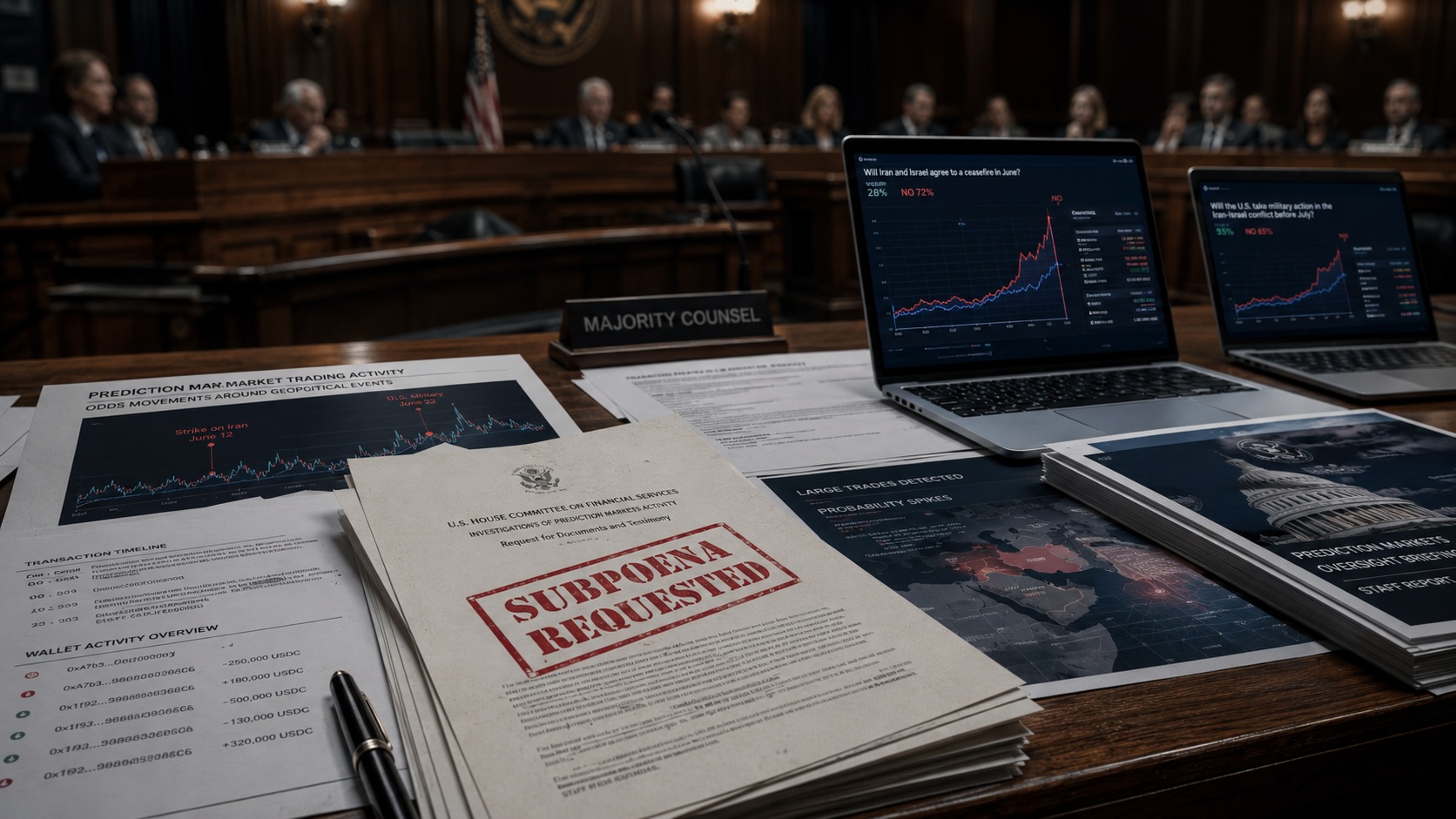
The Commodity Futures Trading Commission and the U.S. Department of Justice filed a lawsuit Tuesday in the U.S. District Court for the Eastern District of Wisconsin. The agencies allege Wisconsin last week filed civil suits against Kalshi, Polymarket, Crypto.com, Robinhood and Coinbase in a way that conflicts with federal law.
The complaint asks the court to block Wisconsin’s enforcement actions that target companies running prediction markets. The CFTC describes those platforms as event-contract markets where users buy and sell contracts that pay out based on the outcome of sports, elections or other real-world events. The agency says Congress gave it exclusive authority to regulate such contracts and related swaps under the Commodity Exchange Act.
Wisconsin Attorney General Josh Kaul brought three separate lawsuits accusing the platforms of offering illegal sports betting and seeking court orders to bar them from operating in the state. Kaul’s office says only tribal casinos may legally offer sports betting to Wisconsin residents and points to a state law signed by Gov. Tony Evers that requires servers for online sports-betting platforms to be located on tribal land.
Oneida Nation Chairman Tehassi Hill said tribal gaming compacts impose requirements that prediction markets are not meeting.
In the complaint the CFTC wrote that Wisconsin’s actions “criminalize and shut down federally regulated markets” and asserted that state law cannot override the federal regulatory framework. CFTC Chair Michael Selig wrote that states cannot circumvent the directive of Congress and warned the agency will sue when states interfere with federal market regulation.
Industry lawyers greeted the filing. Ryan VanGrack, Coinbase’s head of legal, called the action an “unmistakable signal” that jurisdictional ambiguity is ending and described federal law as the governing authority for these markets.
Kaul replied that relabeling activity does not make unlawful conduct legal and said he has support from attorneys general in multiple states and from both parties. New York Attorney General Letitia James argued the federal action favors large companies over consumer protections and said state gambling statutes exist to protect consumers.
Millions of users engaged with prediction markets during the 2024 and 2026 U.S. election cycles. The federal suits will determine whether event-contract trading is governed by federal derivatives law or can be regulated under state gambling rules.
Content on BlockPort is provided for informational purposes only and does not constitute financial guidance.
We strive to ensure the accuracy and relevance of the information we share, but we do not guarantee that all content is complete, error-free, or up to date. BlockPort disclaims any liability for losses, mistakes, or actions taken based on the material found on this site.
Always conduct your own research before making financial decisions and consider consulting with a licensed advisor.
For further details, please review our Terms of Use, Privacy Policy, and Disclaimer.
Tags
Articles by this author