BIS: Align stablecoin rules or face cross-border shocks
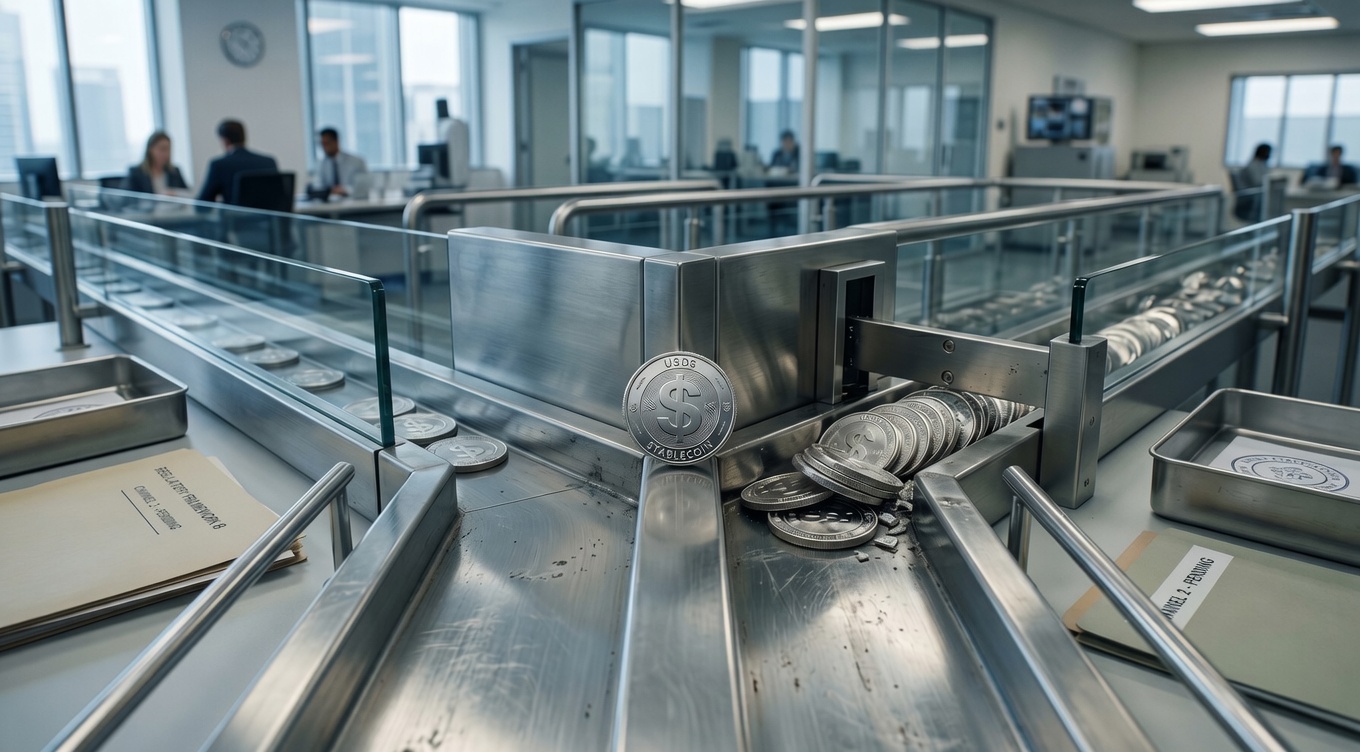
BIS General Manager Pablo Hernández de Cos warned Tuesday that fragmented stablecoin rules could threaten cross-border markets and financial stability.
Pablo Hernández de Cos, general manager of the Bank for International Settlements, warned Tuesday at a BIS event that countries must align rules for stablecoins globally to prevent threats to cross-border markets and financial stability.
Hernández de Cos said the growing market value of stablecoins reflects demand for money-like instruments in crypto, but current legal and operational structures are not ready for stablecoins to serve as widely accepted payment tools. The BIS has expressed skepticism about stablecoins, including tokens pegged 1:1 to the U.S. dollar.
Stablecoins often operate by backing tokens with safe, liquid assets such as central bank reserves or government debt, a structure the BIS compared to narrow banking. That approach can pull low-cost deposits away from traditional banks and weaken the link between deposit-taking and lending. With lending shifting toward non-bank financial institutions, credit provision may become more sensitive to movements in credit spreads and market liquidity. The BIS said historical evidence shows non-bank financial firms reduce lending faster than banks during crises.
The BIS cautioned that sudden or large redemptions could force stablecoin issuers to sell reserve assets quickly, which could harm the markets that hold those assets. If issuers use bank deposits to meet redemptions, stress could spread into banks and then into other parts of the financial system.
The BIS highlighted anti-money-laundering and counter-financing-of-terrorism risks linked to stablecoins. Public blockchains and unhosted wallets frequently sit outside conventional regulatory frameworks and commonly lack thorough know-your-customer checks. On-chain records show wallet addresses rather than named individuals. Large stablecoin issuers have frozen or burned funds tied to known bad actors, but illicit users continue to move funds through new channels. The BIS cited estimates that place stablecoins at the center of a large share of illicit crypto transactions and recommended stronger checks at on-ramps and off-ramps where crypto connects to the banking system. It also suggested tools that use artificial intelligence to analyze blockchain history could help flag suspicious flows.
Hernández de Cos warned stablecoins may erode monetary sovereignty if they move beyond stores of value to price goods, pay wages or settle transactions. That risk can appear even in countries where residents have limited access to U.S. dollar accounts. Large inflows into dollar-denominated stablecoins can create pricing differences versus spot foreign exchange markets, weaken local currencies and make capital flows larger and more volatile. Stablecoins can enable users to evade capital controls, and restrictions on resident or non-resident use are difficult to enforce when activity crosses borders.
Regulatory fragmentation remains a central concern because stablecoin activity often occurs beyond the reach of any single local regulator. Bank of England Governor Andrew Bailey warned last week that progress on international standards has slowed and urged coordinated rules, saying: “We do have to have international standards to underpin assured value. I don’t think we can have a situation where we’ve got different rules of engagement in different countries for that.”
The BIS called for international cooperation on standards and stronger cross-border rules to reduce risks to financial stability, market functioning and policy effectiveness.
Content on BlockPort is provided for informational purposes only and does not constitute financial guidance.
We strive to ensure the accuracy and relevance of the information we share, but we do not guarantee that all content is complete, error-free, or up to date. BlockPort disclaims any liability for losses, mistakes, or actions taken based on the material found on this site.
Always conduct your own research before making financial decisions and consider consulting with a licensed advisor.
For further details, please review our Terms of Use, Privacy Policy, and Disclaimer.
Tags
Articles by this author