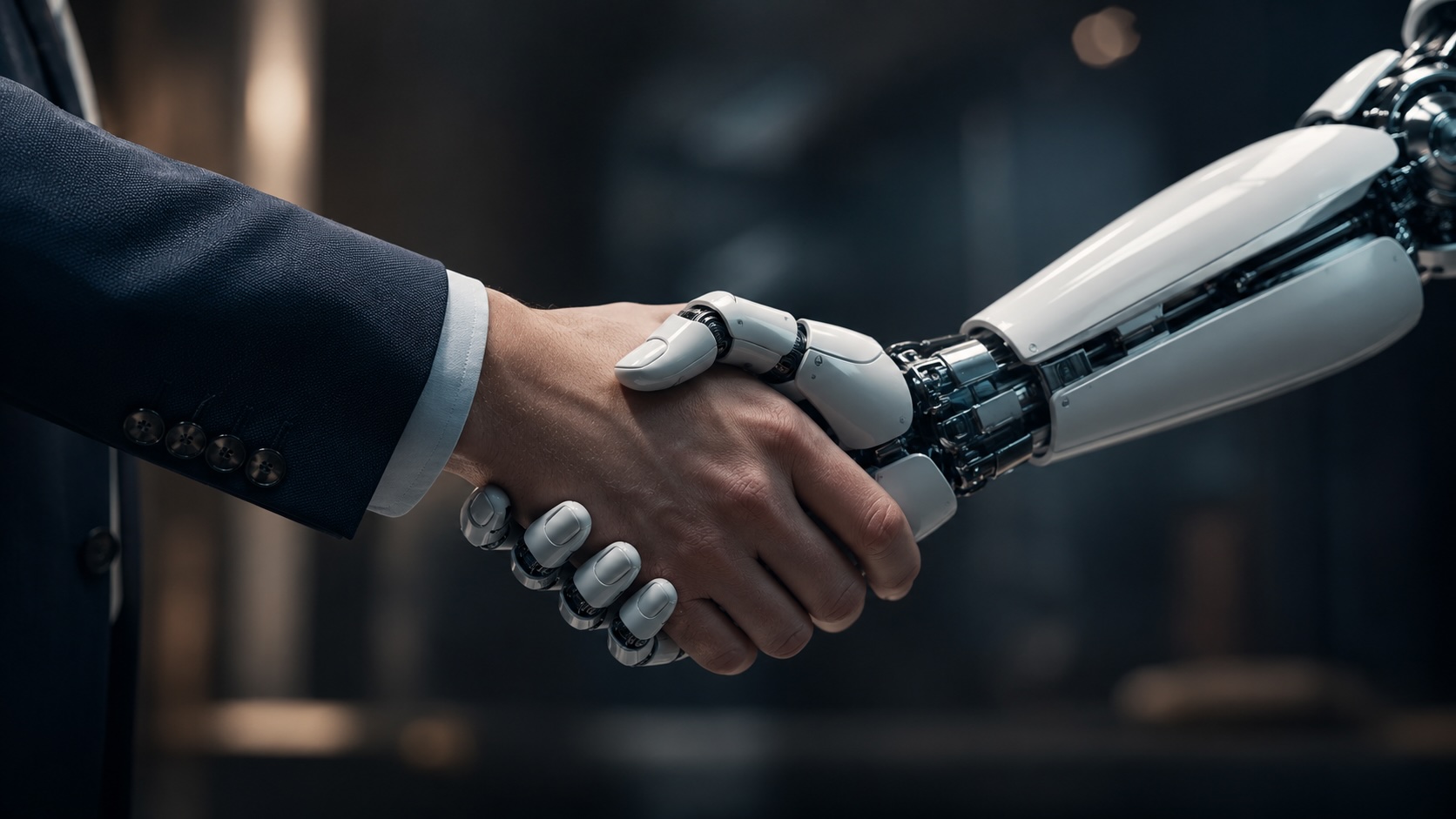
Anthropic Co‑Founder Predicts AI Could Self‑Improve by 2028
Anthropic co-founder Jack Clark estimates a 60% chance AI will achieve recursive self‑improvement and rebuild and train successors by the end of 2028.
In a Substack post published May 4, 2026, Jack Clark said he assigns a 60% probability that artificial intelligence will reach recursive self‑improvement by the end of 2028. He said his estimate draws on hundreds of public data points and recent product developments at major AI labs.
Clark highlighted two technical trends behind his forecast. First, models have become significantly better at writing and testing real‑world code. He pointed to a software‑engineering benchmark that evaluates whether models can fix issues on public code repositories; top performance on that test rose from roughly 2% in 2023 to much higher scores more recently. Clark noted that an internal model released in April, Claude Mythos Preview, reached as high as 93.9% on that benchmark and is not publicly available.
Second, Clark cited increases in the amount of time models can operate without human checks. Data from a frontier model evaluator shows time horizons growing from about 30 seconds in 2022 to roughly 12 hours for some 2026 models. Clark wrote that longer unattended runtimes let models explore research threads, test ideas, debug and iterate with less human direction.
Clark wrote that if models can run research cycles autonomously, they could plan and launch training runs for successor systems, particularly for less costly, non‑frontier models. He said doing the same for the largest, most expensive frontier models would be harder because of compute and resource demands.
He added a personal note on the scale of the implications: “I don’t know how to wrap my head around it. It’s a reluctant view because the implications are so large that I feel dwarfed by them, and I’m not sure society is ready for the kinds of changes implied by achieving automated AI R&D.”
Another forecaster, Ajeya Cotra, has updated a projection saying models should soon be able to handle tasks that would take a skilled human roughly 100 hours, with that threshold possibly arriving before the end of 2026.
Recursive self‑improvement refers to a process in which an AI system modifies its own design or training pipeline in ways that improve its capabilities and then applies the same process to its improved version. Researchers debate how fast such a process could proceed and which technical or economic bottlenecks-compute costs, data quality, or engineering constraints-would slow it down.
Clark cites recent benchmark gains and longer unattended runtimes as the basis for his probability estimate.
Content on BlockPort is provided for informational purposes only and does not constitute financial guidance.
We strive to ensure the accuracy and relevance of the information we share, but we do not guarantee that all content is complete, error-free, or up to date. BlockPort disclaims any liability for losses, mistakes, or actions taken based on the material found on this site.
Always conduct your own research before making financial decisions and consider consulting with a licensed advisor.
For further details, please review our Terms of Use, Privacy Policy, and Disclaimer.
Tags
Articles by this author