Stables, Mansa partner to boost USDT liquidity in Asia
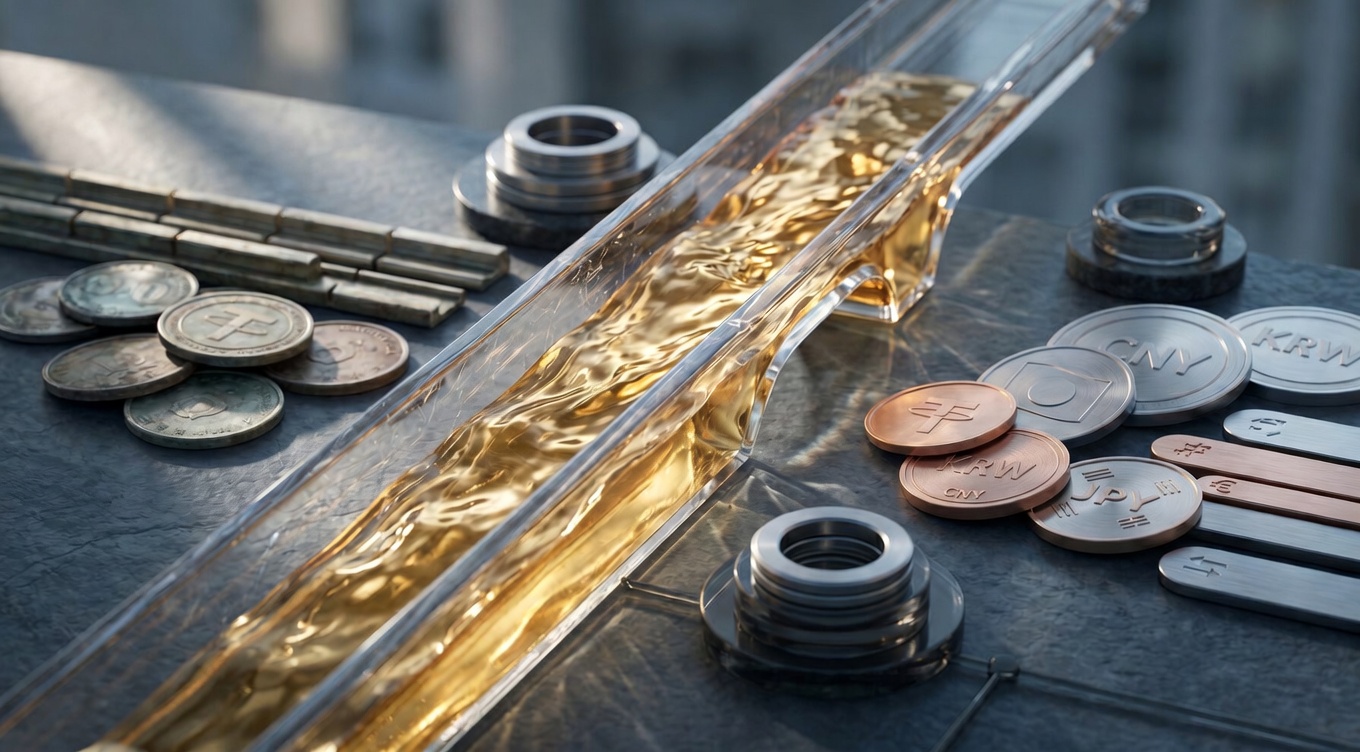
Stables and settlement provider Mansa will inject short-term liquidity into routes converting local Asian currencies into USDT, targeting links for about 150 currencies.
Stables has partnered with settlement provider Mansa to inject short-term liquidity into conversion routes that convert local Asian currencies into USDT. The companies say the arrangement aims to link roughly 150 regional currencies to digital dollar rails and reduce frictions in cross-border payments.
Asia accounts for about 60% of global stablecoin activity, while roughly 1% of banks in the region work with stablecoin technology. Many local currencies currently lack reliable access to USDT rails.
Under the agreement, Mansa will provide a dedicated liquidity channel for Stables’ network of conversion routes. Mansa has moved $394 million through more than 40 currency pathways since August 2024 and will supply short-term liquidity to corridors that handle high transaction volumes, including during periods of market volatility.
Stables processes more than $1.5 billion in annual payment volume and holds regulatory licenses in Australia, Europe and Canada. The technical structure layers multiple specialized providers behind a single interface, a configuration similar to models used by established fintech firms.
Stables’ CEO and co-founder commented: “By partnering with Mansa, we are providing the deep liquidity necessary to turn USDT into a functional tool for cross-border commerce at scale.”
The partnership comes as U.S. payment systems consider broader international use of instant payment networks. The Federal Reserve opened a 60-day public comment period on rule changes that would allow FedNow to handle international transfers.
Hurdles to cross-border instant settlement include foreign exchange risk, differing rules across jurisdictions and limited FedNow adoption among U.S. banks. Adding intermediary providers can help bridge rails but also adds parties to each transaction, increasing operational complexity.
Card networks such as Visa and Mastercard are expanding cross-border capabilities, adding more routing options for international payments.
Market data show stablecoin supply reached about $315 billion in the first quarter of 2026, an $8 billion gain that was the smallest quarterly increase since late 2023. DeFi analytics reported supply at about $316.8 billion by early April, a 2.6% rise while the broader crypto market fell about 21% in the same period.
Stablecoins accounted for $8.3 trillion in trading volume in the first quarter of 2026, roughly three-quarters of all crypto transactions. Stablecoin share of total crypto market value rose from about 9% to 13%.
Policy work has added regulatory clarity for the sector in recent months. A Council of Economic Advisers model estimated that eliminating yield on stablecoins would increase bank lending by $2.1 billion, or 0.02%, while imposing an $800 million loss in consumer welfare. The model projected large banks would provide about 76% of any additional lending and estimated community banks would add roughly $500 million. Under more extreme assumptions, additional lending could reach $531 billion.
Stables and Mansa say the new liquidity lanes are intended to make USDT more usable for merchants and payment providers operating across Asian corridors while market and regulatory developments continue to shape how stablecoins are integrated into cross-border payment systems.
Content on BlockPort is provided for informational purposes only and does not constitute financial guidance.
We strive to ensure the accuracy and relevance of the information we share, but we do not guarantee that all content is complete, error-free, or up to date. BlockPort disclaims any liability for losses, mistakes, or actions taken based on the material found on this site.
Always conduct your own research before making financial decisions and consider consulting with a licensed advisor.
For further details, please review our Terms of Use, Privacy Policy, and Disclaimer.
Tags
Articles by this author