South Korea bill to regulate stablecoins and tokenized assets
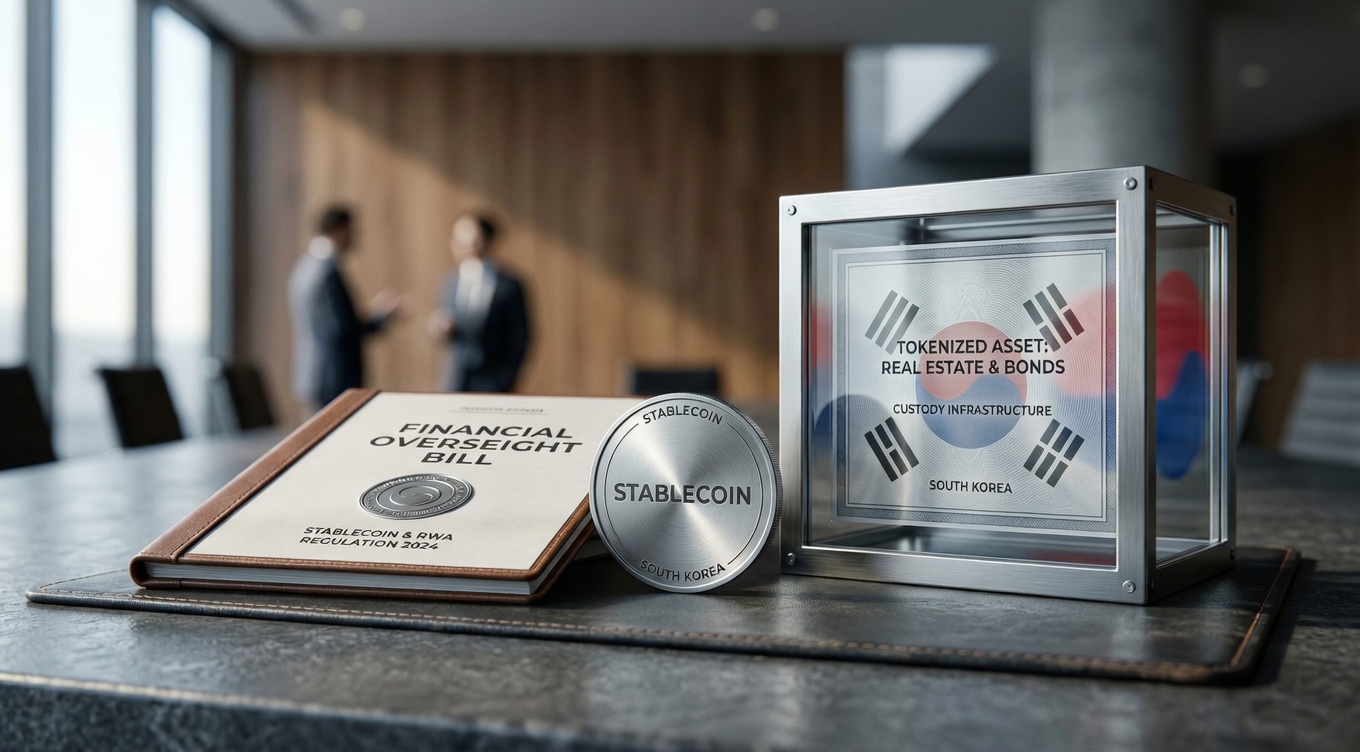
A draft bill would classify stablecoins and tokenized real-world assets as financial instruments, subjecting issuers, custodians and trading platforms to licensing and oversight.
A draft bill in South Korea would treat stablecoins and tokenized real-world assets as financial instruments, subjecting issuers, custodians and trading platforms to national finance laws that require licensing, disclosure and regulatory oversight.
The proposal was prepared by lawmakers and legal advisers in Seoul. It would require entities that issue, custody or trade asset-backed tokens or coins pegged to fiat currency or commodities to register with financial authorities and meet rules similar to those that govern banks and securities firms.
Key requirements in the draft include maintaining reserves or capital buffers, disclosing holdings and issuance practices, and submitting to supervisory checks by regulators. The text would extend anti-money-laundering and know-your-customer rules to stablecoin issuers and platforms that list tokenized assets. Regulators would gain authority to set technical and operational standards for custody, redemption and reserve management.
The draft targets two main categories: stablecoins used as a medium of exchange or store of value, and tokenized versions of real-world assets such as securities, real estate shares and commodity-backed tokens. Where relevant, the bill would allow regulators to require third-party audits of reserves and reviews of smart-contract code.
If enacted, the measure would affect how banks, payment processors and cryptocurrency exchanges interact with digital-asset service providers. Firms that provide fiat on- and off-ramps could face new licensing conditions when facilitating stablecoin transactions or custodying tokenized assets. The proposal also contemplates cross-border information sharing and coordination with foreign regulators to address risks from international issuance and trading.
Lawmakers drafting the bill cited concerns about reserve transparency, consumer redemptions and the systemic implications of widely used private coins. The text under consideration would give regulators tools to suspend issuance, freeze assets or impose penalties on entities that fail to comply.
Industry groups and fintech firms in South Korea have requested clearer rules to enable institutional participation in tokenized assets. Representatives have called for specific licensing pathways and technical standards to allow banks and funds to custody tokenized holdings within a legal framework. The draft includes reporting and audit obligations intended to align tokenized asset operations with standards applied to traditional financial institutions.
The proposal follows earlier regulatory steps in South Korea that required virtual-asset exchanges to link accounts with local banks and to comply with anti-money-laundering rules. Next steps include debate in the legislature and consultations with financial regulators and industry stakeholders. Lawmakers must decide whether to add the provisions to existing finance statutes or create a standalone framework, and agencies would need to issue implementing guidance before enforcing the new requirements.
Content on BlockPort is provided for informational purposes only and does not constitute financial guidance.
We strive to ensure the accuracy and relevance of the information we share, but we do not guarantee that all content is complete, error-free, or up to date. BlockPort disclaims any liability for losses, mistakes, or actions taken based on the material found on this site.
Always conduct your own research before making financial decisions and consider consulting with a licensed advisor.
For further details, please review our Terms of Use, Privacy Policy, and Disclaimer.
Tags
Articles by this author