Playdate bans AI-generated art, allows AI for code
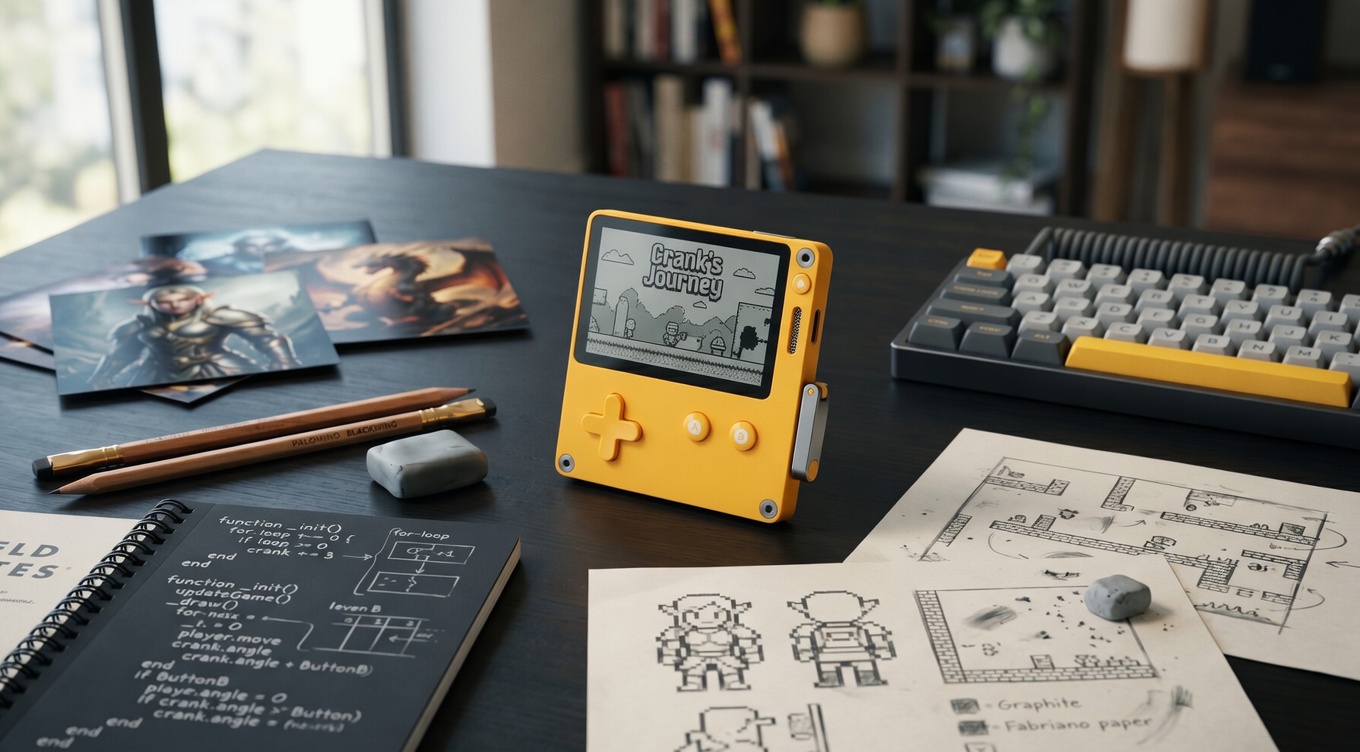
Panic will bar AI-generated art, music and writing from Playdate Catalog submissions while permitting disclosed AI-assisted coding; Season 3 curated games must be human-made.
Panic, the maker of the Playdate handheld, will no longer accept Playdate Catalog submissions that include AI-generated art, music or written content. The company will still allow developers to use AI-assisted programming tools so long as they disclose that use on the storefront. The policy change followed a discovery that a curated Season 2 game used ChatGPT and GitHub Copilot for programming and writing assistance.
Under the updated rules, third-party Catalog submissions containing generative AI-created visual art, audio or prose are ineligible. Developers who use coding assistants must disclose that use in their Catalog listings so players can see which games used AI during development. Panic described the change as an expansion of an existing disclosure requirement aimed at preserving trust and quality in the Playdate community.
The policy was tightened after Wheelsprung, a title in Playdate’s curated Season 2 lineup, was found to have relied on ChatGPT and GitHub Copilot for programming and writing help. Panic’s co-founder Cabel Sasser called the company’s prior expectation that curated developers would not use large language models “naive” and accepted responsibility for the oversight.
For the upcoming Season 3 collection, Panic set a stricter standard: curated releases must be entirely human-made, with no AI used for art, music, writing or code. That rule applies only to curated Season collections; the broader Catalog will continue to permit AI-assisted coding with required disclosure. Panic said it will review and possibly revise the policy over time as the technology and community norms change.
Panic explained the distinction as a separation between AI used behind the scenes to assist development and AI used to produce creative assets. The company stated it believes players value knowing who created a game’s art and writing, and that disclosure gives consumers information to make purchasing decisions. Allowing AI for coding reflects the company’s judgment that programming assistants can speed development without replacing the creative work that defines Playdate titles.
Playdate launched in 2022 as a boutique handheld with a black-and-white screen and a fold-out crank. The Playdate Catalog is the primary distribution channel for games on the device, giving Panic direct control over what appears on the storefront and the platform’s identity. Most major digital game stores continue to accept AI-generated art and writing in listings; Panic’s policy establishes a different approach for its curated program.
Artists and writers have raised objections to generative AI tools that can reproduce styles and affect opportunities for human creators. At the same time, small indie teams increasingly use coding assistants, which complicates enforcement and highlights the need for clear disclosure rules. Panic said the updated policies aim to protect the platform’s emphasis on handcrafted creative content while allowing some productivity tools with transparency requirements.
Content on BlockPort is provided for informational purposes only and does not constitute financial guidance.
We strive to ensure the accuracy and relevance of the information we share, but we do not guarantee that all content is complete, error-free, or up to date. BlockPort disclaims any liability for losses, mistakes, or actions taken based on the material found on this site.
Always conduct your own research before making financial decisions and consider consulting with a licensed advisor.
For further details, please review our Terms of Use, Privacy Policy, and Disclaimer.
Tags
Articles by this author