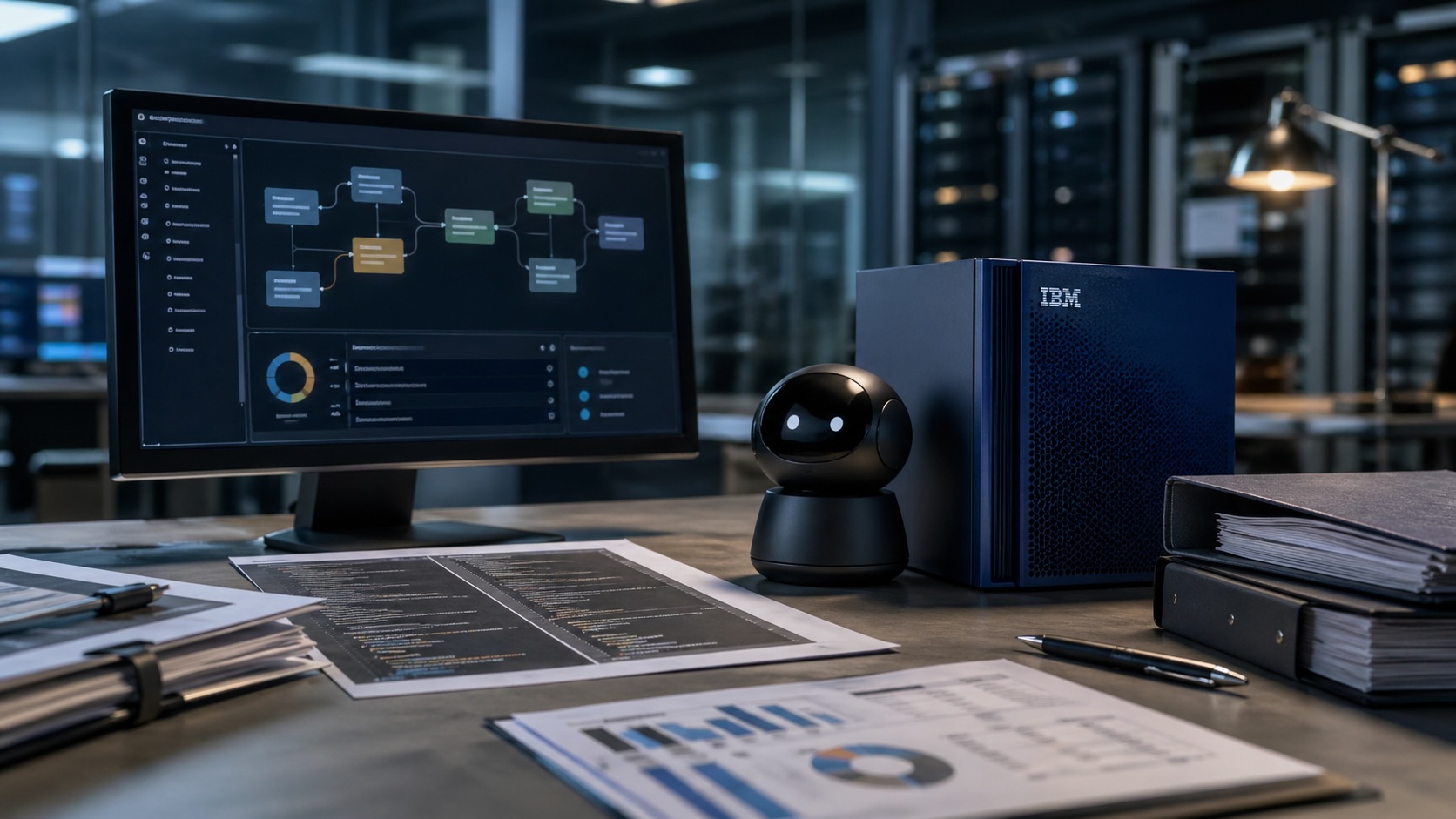
L’Oréal, Mondelez and Nestlé speed product development with AI
L’Oréal says AI has made formulations four times faster. Mondelez pre-tests AI-generated recipes to cut physical samples. Nestlé screens ingredients and packaging with AI tools.
L’Oréal, Mondelez and Nestlé are using artificial intelligence to accelerate product development across cosmetics and food. Each company applies AI to different stages: formulation prediction at L’Oréal, recipe generation at Mondelez, and ingredient and packaging screening at Nestlé.
L’Oréal has applied AI in its laboratories for about four years to model how molecules interact with skin and hair and narrow candidate formulations before physical testing. The company reports that predictive formulation has made the lab process four times faster. One result was repurposing molecules originally used in skincare into a collagen-based shampoo designed to add lift and fullness to hair. Fabrice Megarbane, president of L’Oréal’s consumer products division, described the technology as able to “predict how molecules will affect skin and hair before they are used in new formulations.”
Mondelez uses an AI tool to generate recipe ideas for brands including Cadbury, Toblerone, Oreo and Chips Ahoy. The system proposes combinations that food scientists review, cutting the number of physical samples required during development. Mondelez credits the platform with supporting a Gluten Free Golden Oreo and a refreshed Chips Ahoy recipe. The company reports that about 60% of biscuit recipes produced with the tool performed better on measures for nutrition, sustainability and cost. Filippo Catalano, Mondelez’s chief information and digital officer, stated that “AI is reducing development timelines by compressing work that previously took months or years.”
Nestlé applies AI for ingredient screening and materials discovery as part of a broader reformulation effort. The company plans to remove artificial food colourings from its global portfolio by the end of 2026 and has used data-driven screening to identify natural alternatives, test them in production and assess shelf life. In 2025, Nestlé and IBM Research developed a generative AI tool to evaluate high-barrier packaging materials by linking molecular structures to physical and chemical properties, including moisture, oxygen and temperature protection, together with cost and recyclability. Stefan Palzer, Nestlé’s chief technology officer, explained the work requires “screening natural alternatives, testing them during production, and assessing shelf life.”
Other consumer goods firms are testing similar techniques. Barry Callebaut has partnered with plant-based food company NotCo to simulate plant-based ingredient combinations for chocolate. Haleon announced a five-year collaboration with Microsoft in June 2026 covering consumer insights, product innovation and scientific research.
Companies report AI reduces the number of prototypes and helps find ingredient substitutes when supplies or prices change. They say human scientists continue to evaluate AI outputs and move selected candidates into laboratory and consumer testing. Regulatory shifts and corporate reformulation targets, including deadlines for phasing out certain certified colour additives, have been part of the context for adopting these tools.
Content on BlockPort is provided for informational purposes only and does not constitute financial guidance.
We strive to ensure the accuracy and relevance of the information we share, but we do not guarantee that all content is complete, error-free, or up to date. BlockPort disclaims any liability for losses, mistakes, or actions taken based on the material found on this site.
Always conduct your own research before making financial decisions and consider consulting with a licensed advisor.
For further details, please review our Terms of Use, Privacy Policy, and Disclaimer.
Articles by this author