Iran weighs cryptocurrency tolls for Strait of Hormuz
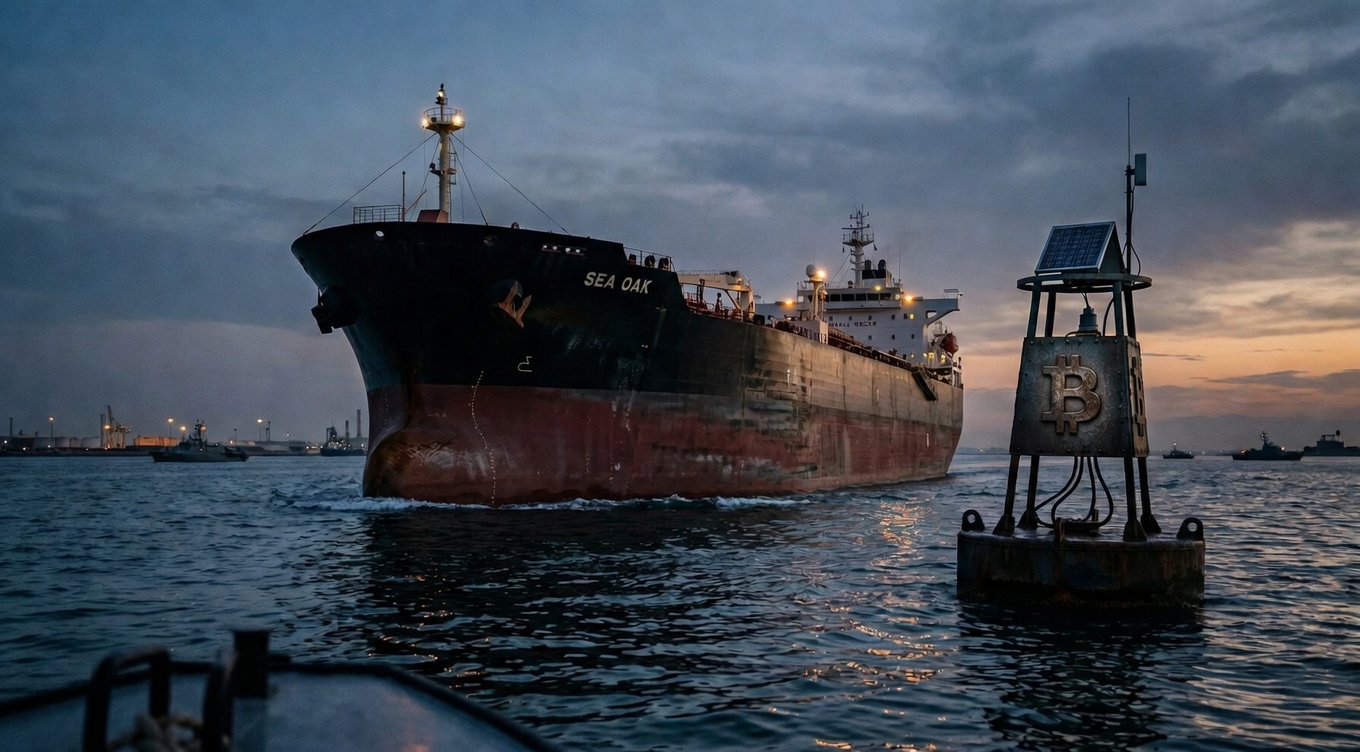
Iran is considering requiring ships transiting the Strait of Hormuz to pay passage tolls in cryptocurrency, a proposal Tehran officials are reportedly discussing.
Iranian officials are reportedly considering requiring ships transiting the Strait of Hormuz to pay passage tolls in cryptocurrency. Under the proposal, commercial vessels would transfer digital tokens to wallets controlled by Iranian authorities.
The Strait of Hormuz lies between Iran and the Arabian Peninsula and is a major route for seaborne crude and refined products bound for Asia, Europe and other markets. Any change to transit arrangements would affect shipowners, insurers and governments.
Payments would be processed to addresses designated by Iranian authorities rather than routed through banks. The report does not specify which cryptocurrencies would be accepted; observers say major decentralized coins or stablecoins that are easier to convert could be options.
Supporters of the idea argue accepting cryptocurrencies could allow Iran to collect revenue while reducing reliance on international banking channels and sanctions-linked restrictions.
Industry sources identify practical hurdles: cryptocurrency volatility, limited merchant acceptance, the need to convert tokens into usable currencies, and questions about insurance coverage if operators comply with a payment demand viewed as illegitimate by some states or charterers.
Legal issues could arise. Customary international law and the United Nations Convention on the Law of the Sea recognize a right of transit passage through straits used for international navigation; unilateral fee requirements could prompt diplomatic protests. Naval forces from the United States and other countries operate in the region to protect freedom of navigation.
Iran has expanded digital-asset activity in recent years, authorizing domestic cryptocurrency mining and exploring alternative settlement methods to limit the impact of financial sanctions.
Shipping companies and maritime organizations have not publicly stated how they would respond. Options include paying under protest, rerouting where commercially feasible, or pursuing diplomatic and legal remedies. No formal regulations or enforcement mechanisms have been announced.
For now the plan is at an exploratory stage. Key details — which digital currencies would be accepted, how tolls would be calculated, and how payments would be verified and enforced — remain undisclosed.
Content on BlockPort is provided for informational purposes only and does not constitute financial guidance.
We strive to ensure the accuracy and relevance of the information we share, but we do not guarantee that all content is complete, error-free, or up to date. BlockPort disclaims any liability for losses, mistakes, or actions taken based on the material found on this site.
Always conduct your own research before making financial decisions and consider consulting with a licensed advisor.
For further details, please review our Terms of Use, Privacy Policy, and Disclaimer.
Tags
Articles by this author