Global Trading Volumes Fall Nearly 50% Since Oct 2025
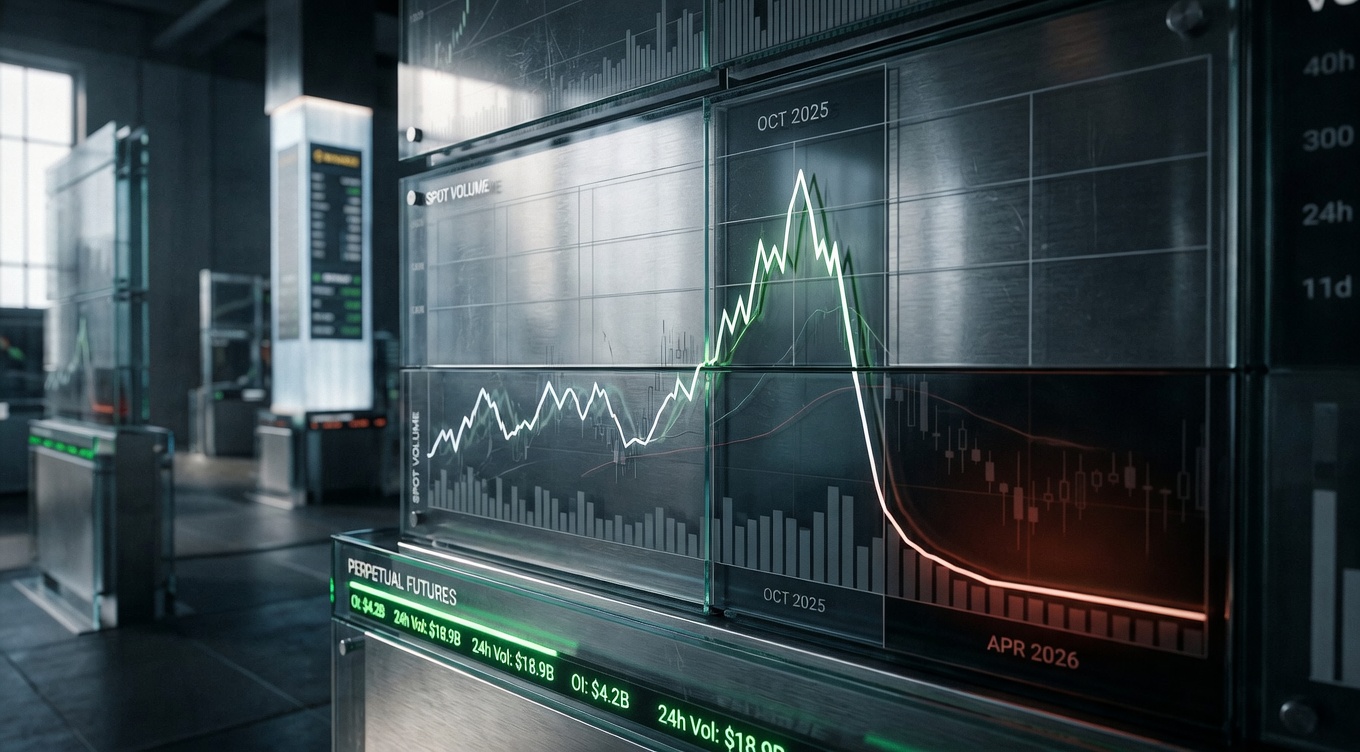
Average daily trading volumes across exchanges and OTC markets fell nearly 50% from an October 2025 peak, returning turnover to pre-late-2024 levels.
Global trading volumes dropped almost 50% from an October 2025 peak, with activity falling across major exchanges and over-the-counter markets in the months that followed. The decline affected equities, fixed income, foreign exchange and derivatives trading.
Industry data compiled by exchange operators, electronic trading platforms and clearing houses show average daily volumes peaked in October 2025 and then contracted steadily. Spot and derivatives markets saw the largest reductions. Turnover returned to levels recorded before the late-2024 volatility surge.
Both institutional and retail activity declined. Block trades and program-driven volumes fell as asset managers reduced turnover. Retail order flow slowed after a period of heightened speculation. Several major exchanges reported lower fee-based revenue linked to reduced execution volumes and a drop in exchange-traded product flows.
Market participants cited several factors behind the decline. Price swings normalized after the October surge, which lowered short-term hedging and speculative activity. Higher short-term borrowing costs for some firms reduced levered trading. Regulatory changes in some jurisdictions tightened margin and reporting requirements for certain instruments and constrained turnover in those markets. Large institutional investors rotated assets away from the most actively traded instruments.
Liquidity measures changed unevenly. Bid-ask spreads widened in thinner venues and in less-liquid segments of the bond and derivatives markets. Core blue-chip equities largely retained market depth but with fewer trades. Clearing houses recorded a decline in gross notional transferred for several benchmark derivatives products, while central counterparties reported default fund metrics remained within planned stress-test parameters.
A head trader at a global investment bank described client behavior after the October peak: ‘After October’s surge, many desks stepped back from aggressive rebalancing. Flow that used to be constant has become more intermittent, and that shows up clearly in daily turnover numbers.’
Currency platforms reported lower proprietary and hedge-driven flow. Energy and metal futures traded fewer speculative contracts than during the October peak. Crypto venues that helped drive October 2025 volumes reported a sharper pullback as regulatory scrutiny and reduced volatility lowered retail churn.
Exchanges and market infrastructure firms are adjusting to the lower activity profile for the remainder of 2026. Several exchanges are revising staffing and capacity plans. Some electronic liquidity providers have narrowed market-making commitments in less active products, citing the economics of maintaining quotes with lower trade throughput.
The October 2025 peak followed a concentrated run of events, including large macro announcements, sector-specific price shocks and episodic volatility that prompted short-term hedging and speculative trading. The subsequent drop represents a return toward longer-term averages after that concentrated period of activity.
Market participants said future volumes will be sensitive to macroeconomic data, central bank decisions and geopolitical developments that could trigger renewed volatility. Execution and trading desks are monitoring order flow trends to inform staffing and technology decisions. Exchanges and trading platforms are examining fee and product changes aimed at supporting liquidity in weaker market segments.
Content on BlockPort is provided for informational purposes only and does not constitute financial guidance.
We strive to ensure the accuracy and relevance of the information we share, but we do not guarantee that all content is complete, error-free, or up to date. BlockPort disclaims any liability for losses, mistakes, or actions taken based on the material found on this site.
Always conduct your own research before making financial decisions and consider consulting with a licensed advisor.
For further details, please review our Terms of Use, Privacy Policy, and Disclaimer.
Tags
Articles by this author