Cadence, Nvidia, Google Cloud link simulation and AI
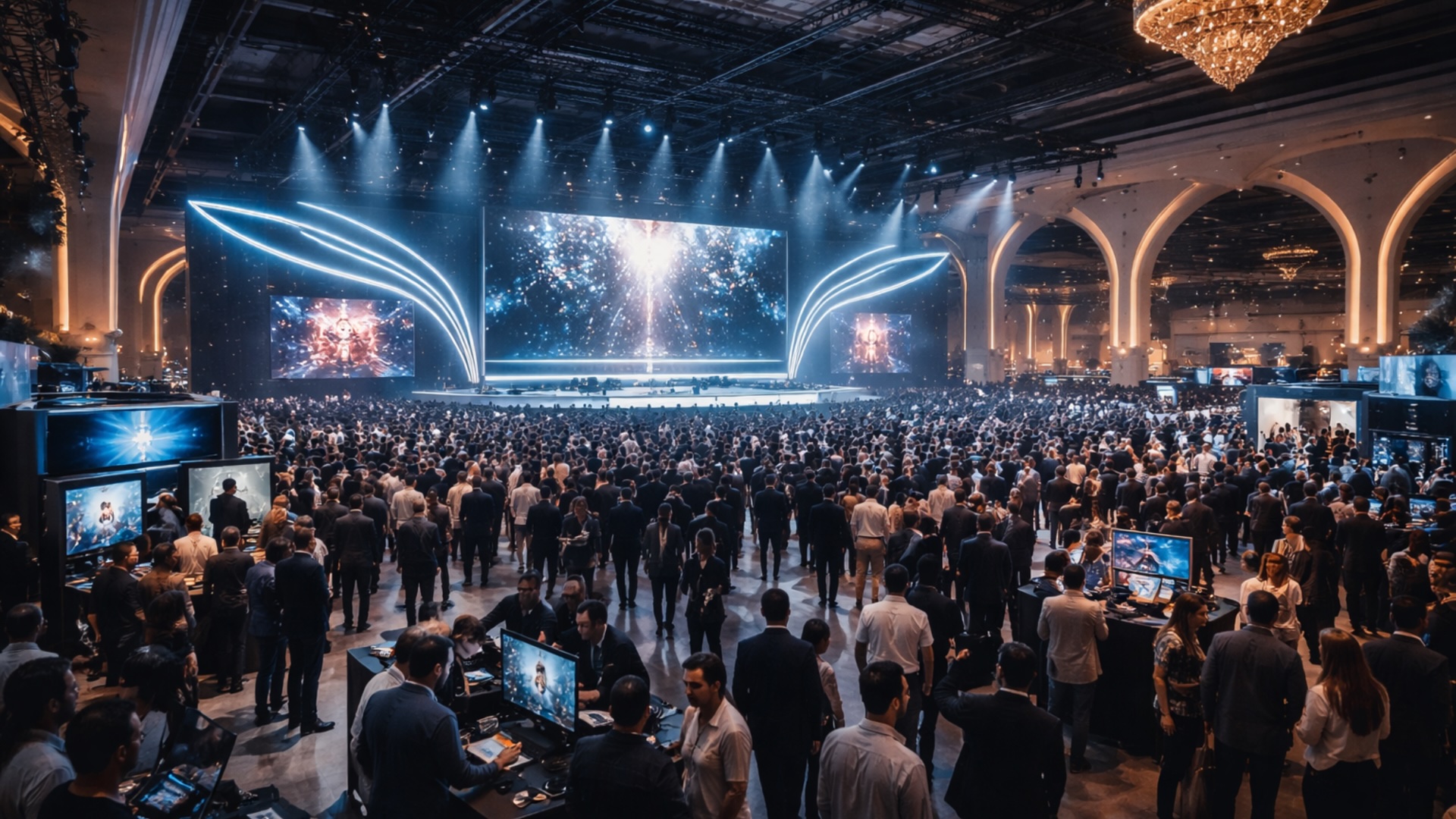
At CadenceLIVE, Cadence announced integrations with Nvidia’s CUDA‑X and Omniverse for system and robotics simulation and a Google Cloud‑hosted AI agent for chip layout.
Cadence announced integrations with Nvidia and Google Cloud at its CadenceLIVE event this week, pairing its multi‑physics simulation and system‑design tools with Nvidia’s CUDA‑X libraries, AI models and the Omniverse simulation platform, and introducing a Google Cloud‑hosted AI agent for physical chip layout.
The Nvidia integration connects Cadence’s physics engines and system‑design tools with Nvidia’s software stack so engineers can simulate thermal, mechanical and electromagnetic interactions alongside compute, networking and power systems. Cadence said linked simulations let teams test system behavior under real operational loads in software before building hardware.
The companies said the work targets industrial robotics and large‑scale AI infrastructure, which Nvidia describes as physical AI. Nvidia plans to use Omniverse digital twins and the Isaac simulation framework to build virtual environments for validating robot behavior and entire production lines. Cadence’s physics models are being used to generate synthetic datasets to train AI‑driven robots in simulation. Jensen Huang told attendees, “We’re working with you in the board on robotic systems.”
Cadence introduced a cloud‑hosted AI agent that focuses on the physical layout stage of chip design, translating circuit definitions into placement and routing on silicon. The new agent builds on an earlier Cadence system for front‑end circuit design and is available through Google Cloud. The ChipStack AI Super Agent platform combines model‑based reasoning with native EDA tools to interpret design requirements and coordinate tasks across design stages.
Cadence reported productivity gains of up to 10 times in early deployments on design and verification tasks, but did not disclose customer names or detailed case studies. The Google Cloud integration links Cadence’s EDA tools with Google’s Gemini models to automate design and verification workflows and to run compute‑heavy EDA workloads without on‑premise data center infrastructure.
Nvidia used the event to introduce NVIDIA Ising, a family of open‑source quantum AI models named after the Ising model from physics. Nvidia said Ising is intended for quantum processor calibration and error correction and that the models deliver up to 2.5 times faster performance and three times higher accuracy in decoding routines used for error correction. “AI is essential to making quantum computing practical,” Huang added.
Cadence and Nvidia said their combined platform covers components beyond chips, including networking, cooling and power delivery, to enable system‑level simulation that accounts for interactions among compute hardware and infrastructure. The companies noted industrial robotics vendors are integrating Omniverse and Isaac for virtual commissioning to test production systems in software before physical rollout.
The announcements link physics‑based simulation, accelerated computing and generative AI across robotics, data center infrastructure and chip implementation, and aim to make simulation‑based training data and cloud‑hosted design tools available to engineering teams without large on‑premise compute investments.
Content on BlockPort is provided for informational purposes only and does not constitute financial guidance.
We strive to ensure the accuracy and relevance of the information we share, but we do not guarantee that all content is complete, error-free, or up to date. BlockPort disclaims any liability for losses, mistakes, or actions taken based on the material found on this site.
Always conduct your own research before making financial decisions and consider consulting with a licensed advisor.
For further details, please review our Terms of Use, Privacy Policy, and Disclaimer.
Articles by this author